
 English
 中文简体
中文简体 Español
 Português
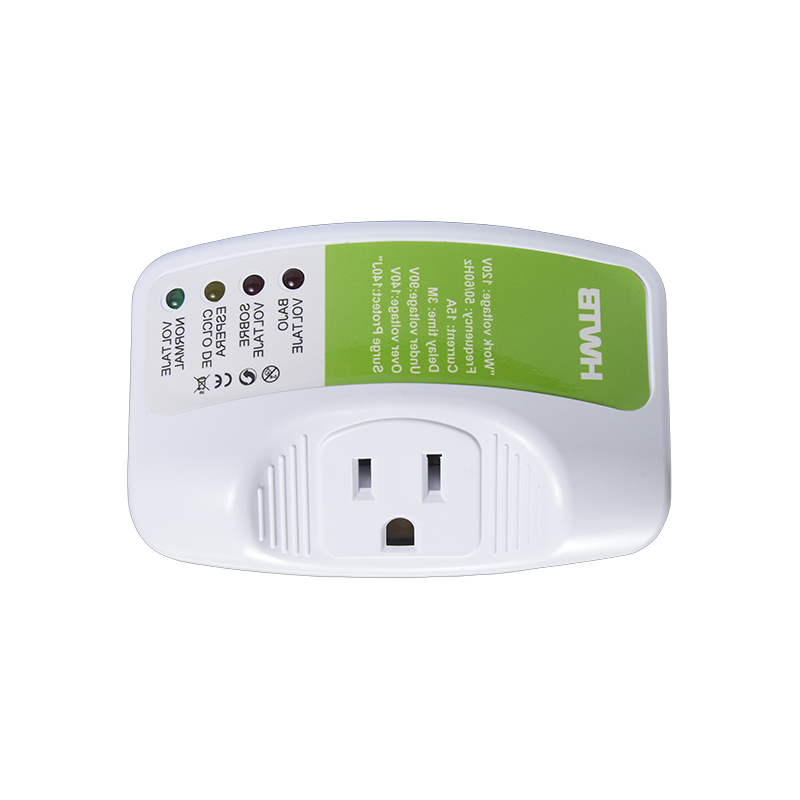
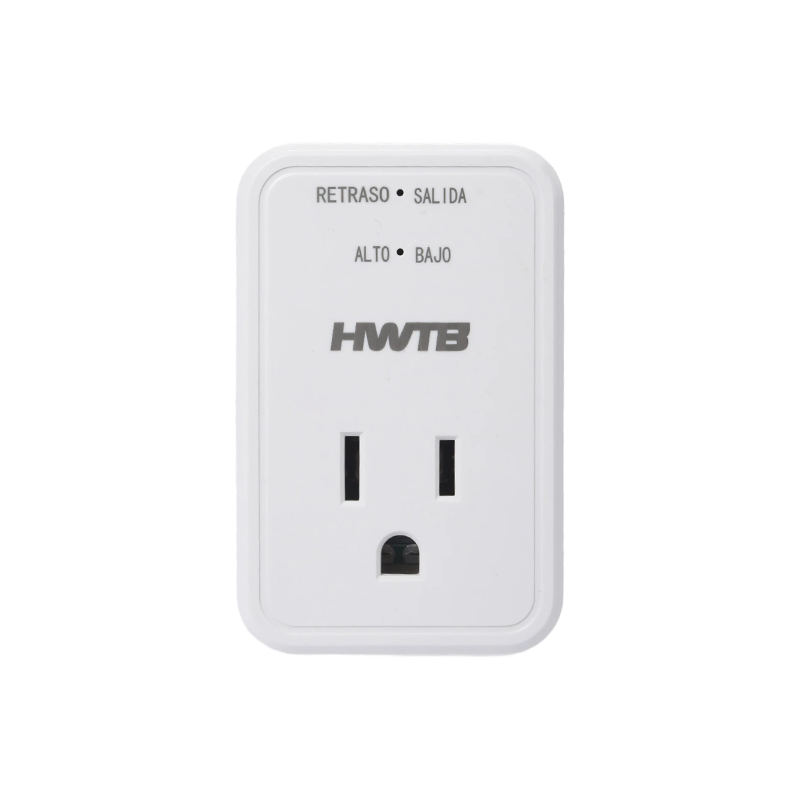
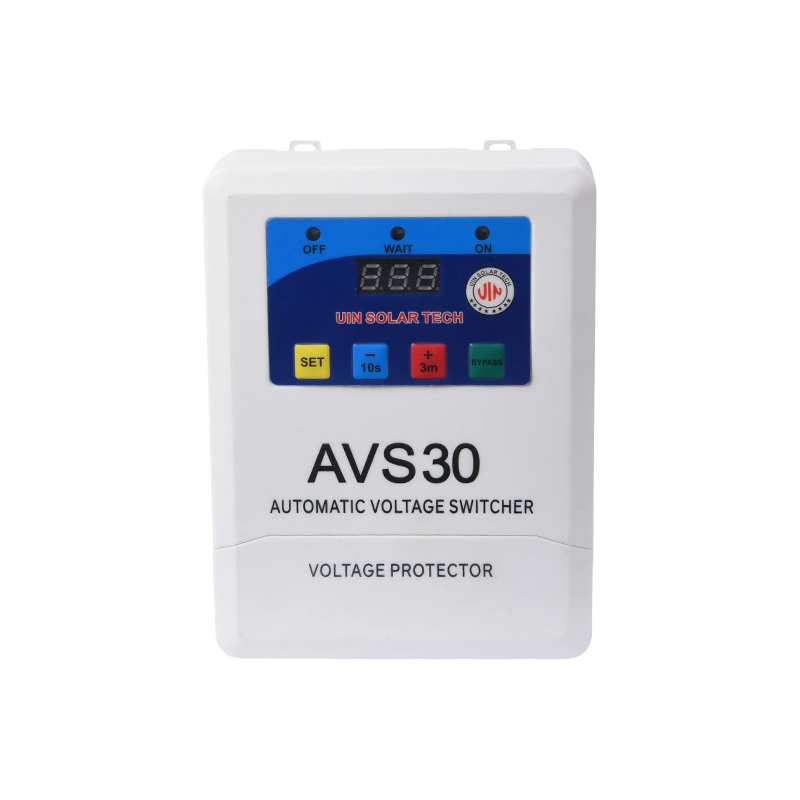
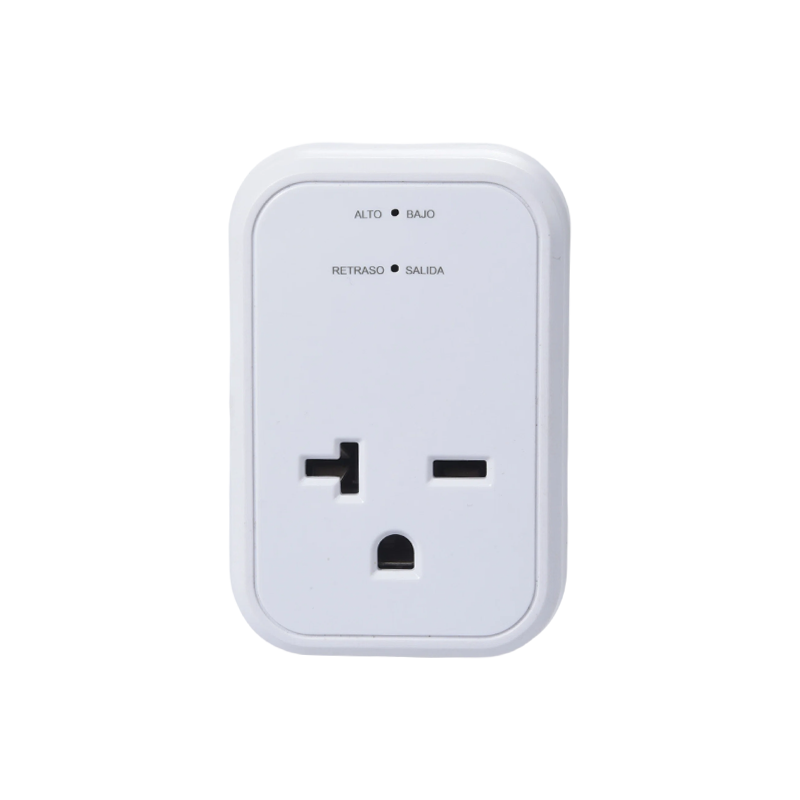
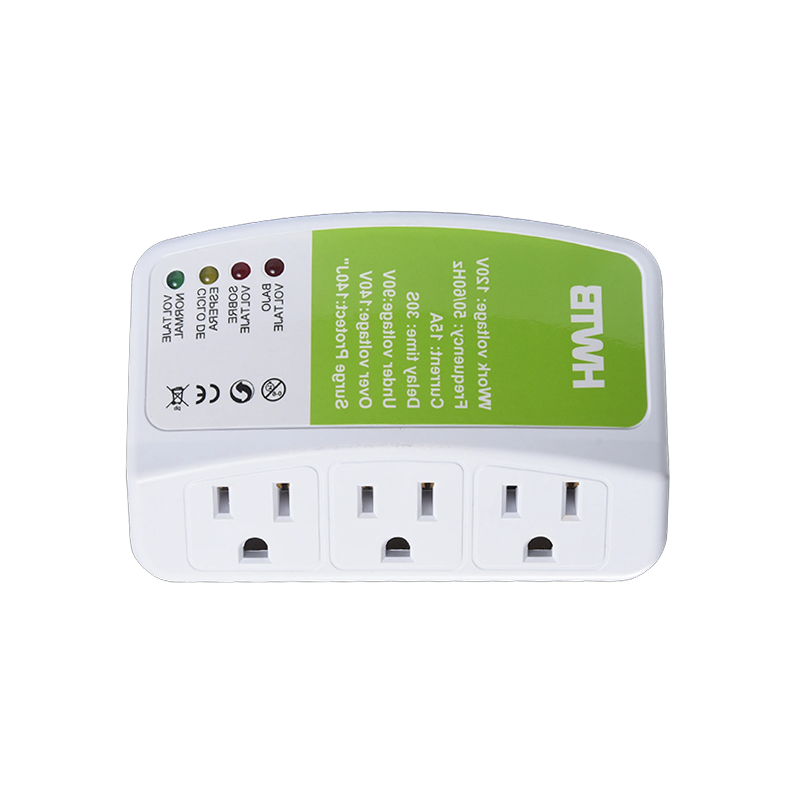
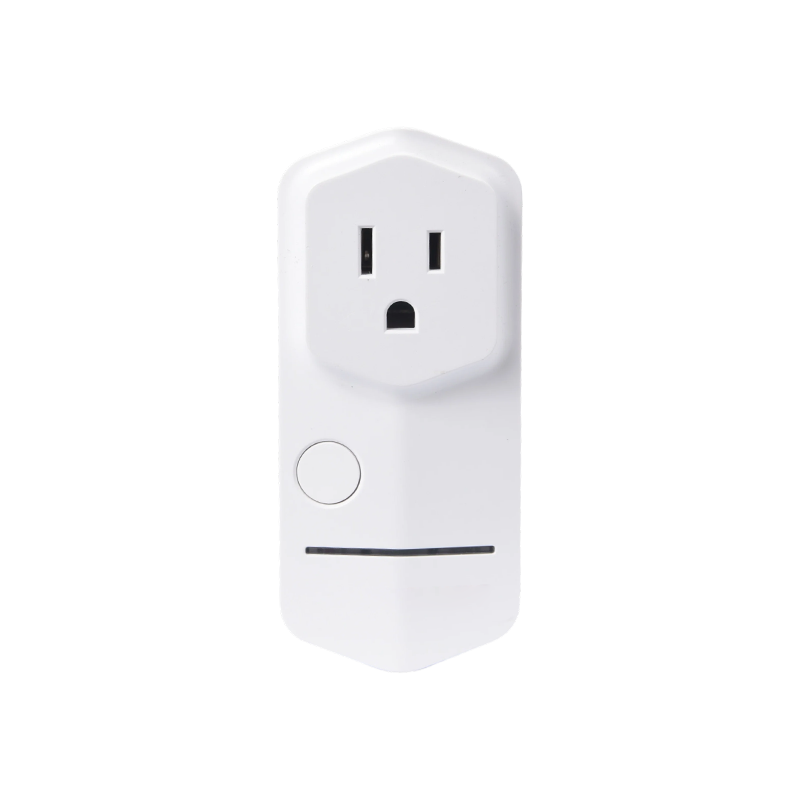
The Direct Verdict on Grid Instability and Automated Power Protection Modern electrical equipment operating on the United States grid requires active...
READ MORE
Industry News
Home / News / Industry News / Will a Surge Protector Work on the Wrong Voltage? The Honest, Practical Answer
Will a Surge Protector Work on the Wrong Voltage? The Honest, Practical Answer
Update:14-09-2026
Voltage Compatibility — Residential & Industrial Buying Guide
Will a Surge Protector Work on the Wrong Voltage? Usually Not — Here Is Why
A 120 V protector on a 230 V line can overheat, smoke, and ignite nearby material. A 230 V protector on 120 V simply stops protecting. The answer is the same in every country: match the rating, or pick a device that disconnects the load before voltage goes out of range.
Picture the most common version of this mistake: an expatriate, a student, or a returning traveler plugs a surge-protected power strip from one continent into the outlets of another. The plug shape fits after an adapter, but the rating does not. Within seconds — sometimes minutes — the casing grows warm, then hot, and then it emits the unmistakable smell of a component in distress.
The reason is not bad luck. It is the same physics inside every surge protector, regardless of brand or price. A surge protector is built to clamp short voltage spikes, not to tolerate a different mains voltage. It contains no transformer. It cannot convert 230 V into 120 V, it cannot regulate an unstable supply, and it cannot boost a low one. Its only job is to absorb brief excess voltage before it reaches connected equipment.
A Surge Protector Is Tuned to One Nominal Voltage
Inside a typical surge protector sits at least one metal-oxide varistor (MOV). In normal operation, the MOV's resistance is enormous, so it draws almost no current. When a transient spike pushes the voltage above a set threshold, the MOV switches into a low-resistance state in microseconds, shunting the excess energy before the connected device sees it.
The threshold is calibrated to the nominal mains voltage of the market where the product will be sold. A protector made for 120 V North American circuits, for instance, typically clamps around 330 V peak — comfortably above the 170 V peak of a healthy 120 V sine wave, so the MOV stays silent during routine operation. A protector for 230 V European mains is set proportionally higher, because its normal sine wave already reaches roughly 325 V peak.
This is why the question "will a surge protector work on the wrong voltage" gets a flat no. The component is engineered against one voltage envelope; feed it a different envelope and it either acts at the wrong moment or acts all the time.
What Happens When You Plug It Into the Wrong Outlet
Two directions of mismatch deserve attention, and both produce the wrong outcome.
120 V protector on a 230–240 V supply. The regular sine wave peaks at around 325–340 V, at or above the MOV's clamping threshold. The varistor conducts on every half-cycle, not only during a surge. Current flows continuously, the component heats, its internal structure degrades, and in a common failure mode the MOV dissolves into a short circuit that keeps conducting until the insulation smokes. In a packed power strip, that heat has nowhere to go.
230 V protector on a 120 V supply. The sustained voltage stays far below the clamping threshold, so there is no immediate damage. But the protection has become a passenger: the threshold is too high to catch the transients that actually occur on 120 V circuits. The strip still delivers power, and the MOV never fires. You are paying for protection you are not getting.
A 120 V surge protector on a 230 V line is not a protective device; it is a small heater with a plug attached.
| Mismatch | MOV behavior | Practical result |
|---|---|---|
| 120 V protector on a 230–240 V supply | Clamps on every half-cycle | Overheating, smoke damage, fire risk |
| 230 V protector on a 120 V supply | Never reaches its threshold | No visible failure; protection disabled |
| 100–240 V rated protector | Operates within its design envelope | Works as intended (rare among surge strips) |
If a surge protector feels warm or smells odd shortly after being connected to an outlet, unplug it immediately and check its voltage rating. A warm casing is the earliest sign that the MOV is conducting continuous current.
Surge Protection Is Not Wrong-Voltage Protection
This distinction would prevent most of these incidents. A surge protector responds only to events measured in microseconds: lightning-induced spikes, grid-switching transients, motor arcing. For sustained conditions — an overvoltage that lasts a minute, a brownout that lasts an hour — the surge protector has no information, no trigger, and no mechanism. Low voltage will not activate it, and it cannot stabilize or boost the supply.
If the danger you are trying to prevent includes sustained wrong voltage or unstable mains, the correct device is an over/under voltage protector. It monitors the supply continuously and interrupts the load as soon as voltage leaves an adjustable window that you set. For a 230 V grid, choose a model whose cut-off thresholds can be configured around your equipment's tolerance. The cut-off logic used in residential voltage protection is exactly what separates these devices from a passive surge strip.
Surge protector = microseconds, transient overvoltage. Over/under voltage protector = seconds to hours, sustained wrong voltage. If the question is "will a surge protector work on the wrong voltage," the terminology itself is the answer: it was never built for that scenario.
What to Do When Your Equipment and Your Outlet Disagree
The safe workflow is the same for a traveler, a homeowner, or a procurement team. When the device voltage differs from the wall voltage, insert a transformer between them. A 120 V appliance in a 230 V country needs a step-down transformer; a 230 V appliance in a 120 V country needs a step-up transformer. Connect the surge protector on the output side of the transformer, so it only ever sees the voltage it was rated for.
In North America, that means choosing a 120 V-class protector with the same automatic cut-off and surge-clamping behavior.
In Europe and most of Asia, the equivalent is a 230 V-class model. The plug standard changes, the current rating changes, and a serious manufacturer can adapt both — which is exactly how the voltage protection product range is organized for different markets.
Correct order of installation: transformer first, surge protector second, appliance last. The transformer handles the voltage conversion, the surge protector handles transients, and neither component is asked to do the other's job.
For procurement and OEM/ODM buyers, four parameters should be fixed at the ordering stage, because each one shapes the hardware:
- the mains voltage of the destination market (110, 120, 220, 230, or 240 V variants)
- the plug and outlet standard (US, EU, UK, or AU)
- the continuous current the connected load draws (10, 13, 15, or 30 A)
- the required reaction to undervoltage and overvoltage (fixed or adjustable cut-off)
Getting these four right at the order stage is cheaper than certifying a rejected batch, and it is the reason voltage-protector catalogues list many variants under the same function.
Five Checks Before You Plug In
Even with the right device in hand, a minute of verification prevents a week of regret.
- Read the nameplate. "120 V / 15 A" and "230 V / 10 A" are not interchangeable.
- Look for a universal input range. "100–240 V, 50/60 Hz" on an adapter means it can connect directly; most surge protectors do not carry this marking.
- Confirm the plug standard separately. An adapter solves the shape only; it does not change the voltage.
- Measure the outlet if anything is ambiguous. Ten seconds with a multimeter is cheaper than replacing a burned appliance.
- Remember that frequency is rarely the deciding factor. Modern switching supplies tolerate 50 or 60 Hz, and the surge protector itself is indifferent. Voltage, not frequency, is the incompatibility that destroys equipment.
Never test a protector on a higher voltage "to see what happens." Thermal runaway of an MOV can proceed without tripping the breaker, and the resulting fire develops inside the housing, where it is easiest to miss and hardest to stop.
Will a surge protector work on the wrong voltage? No.
In one direction it overheats until it fails dangerously; in the other it stays silent while providing no real protection. The fix is neither exotic nor expensive: match the protector's rated voltage to your supply, insert a transformer whenever the equipment voltage differs from the mains, and if your concern involves sustained overvoltage, undervoltage, or a drifting grid, choose an over/under voltage protector that disconnects before damage occurs.
Check the label. Measure the outlet. Buy the device designed for the grid you are on.
Recommended Products
News
-
-
With the continuous increase of electrical safety supervision, the certification system of the over/under voltage protector smart socket industry is ...
READ MORE -
The low and high voltage protector has one primary job: it monitors the incoming supply and disconnects the load whenever the voltage stays above or ...
READ MORE -
Look at the label on almost any surge protector and you will see voltage figures that seem to contradict each other: a device made for a 120 V circui...
READ MORE -
Power protection, explained Voltage Regulator or Surge Protector for TV: Which One Does Your Screen Need? Spikes, sags and slow brownouts damage a te...
READ MORE -
Appliance Protection The Quiet Threat to Your Microwave: Why Voltage Protection Deserves a Second Look A practical guide to overvoltage and undervolt...
READ MORE

Ningbo Haowei Electric Technology Co., Ltd.
-
Address
No. 261 Lvyuan 2nd Road, Chongshou Town, Qianwan New Area, Ningbo City, Zhejiang Province, China
-
Mobile
+86-13566611998
-
Email
Copyright © Ningbo Haowei Electric Technology Co., Ltd. Rights Reserved.
 Custom Smart Timer Plug Manufacturers