
 English
 中文简体
中文简体 Español
 Português
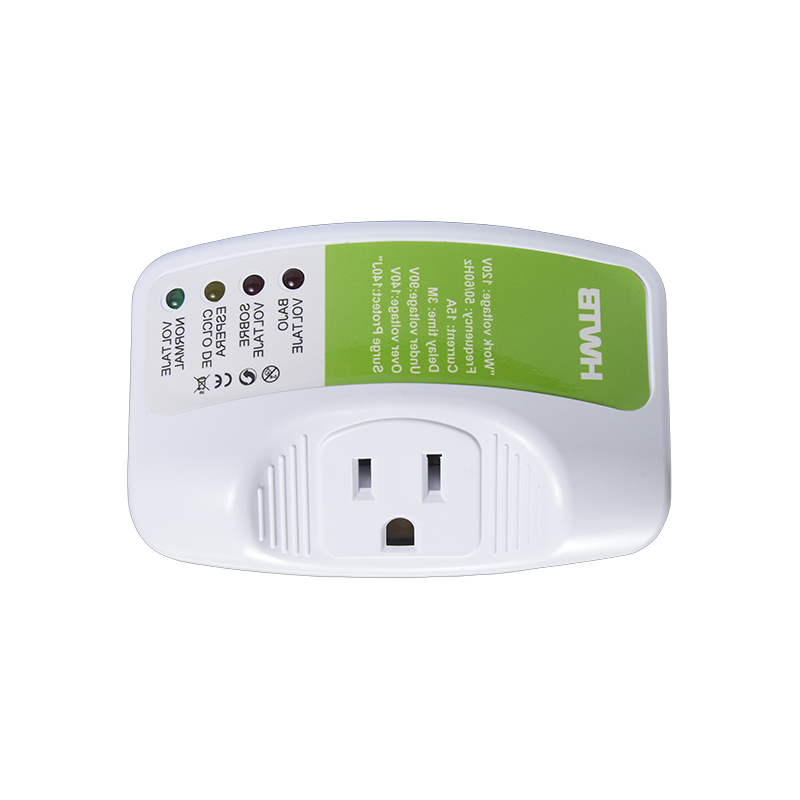
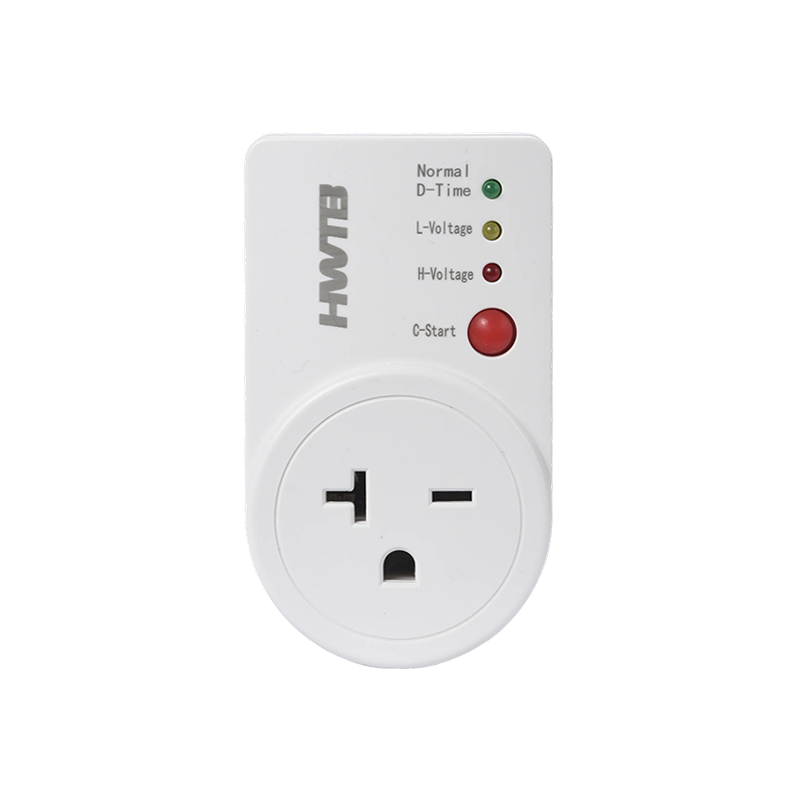
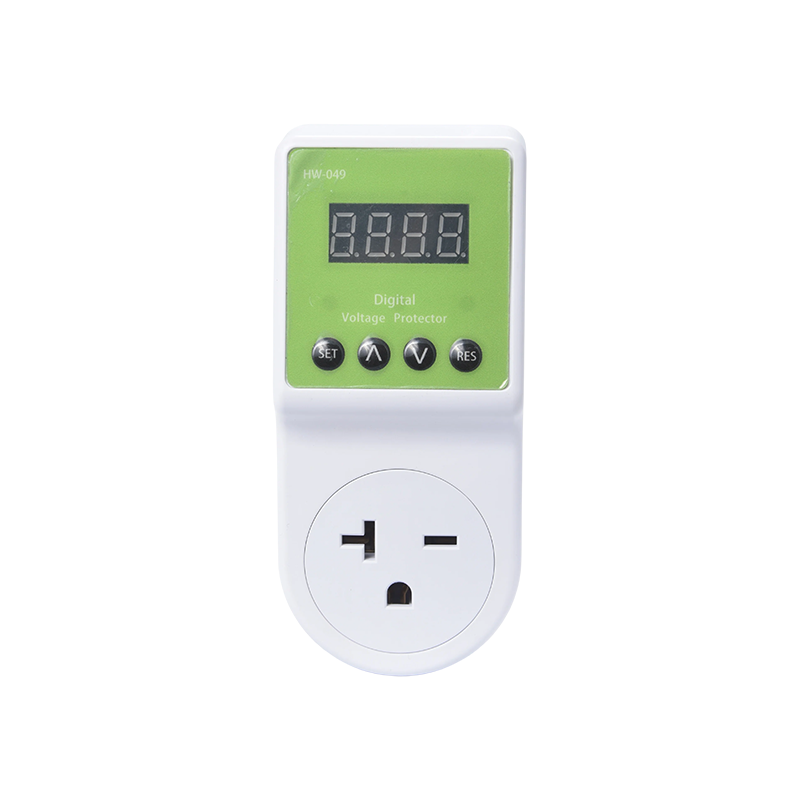
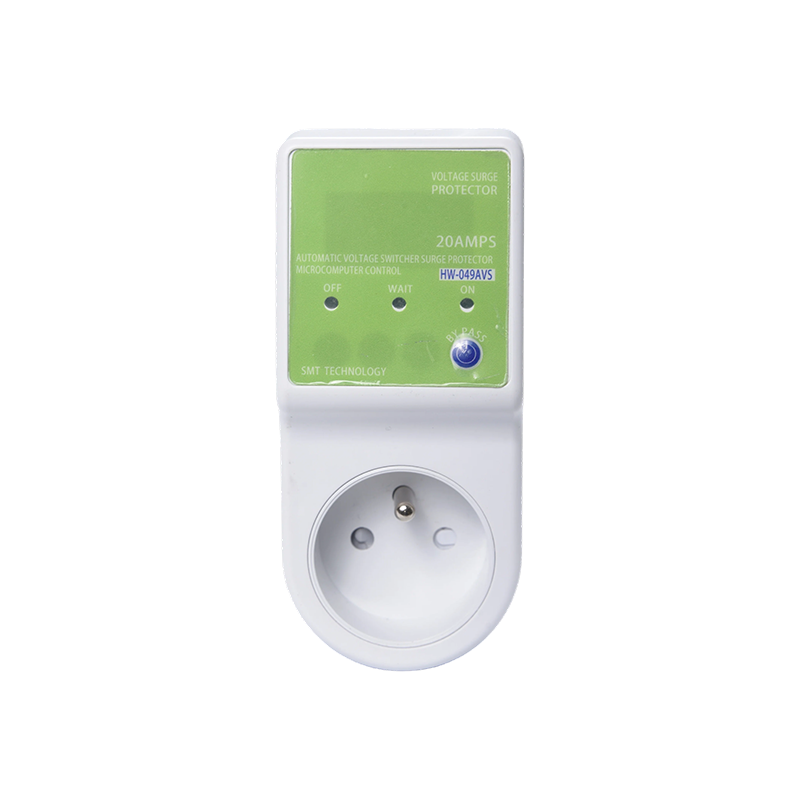
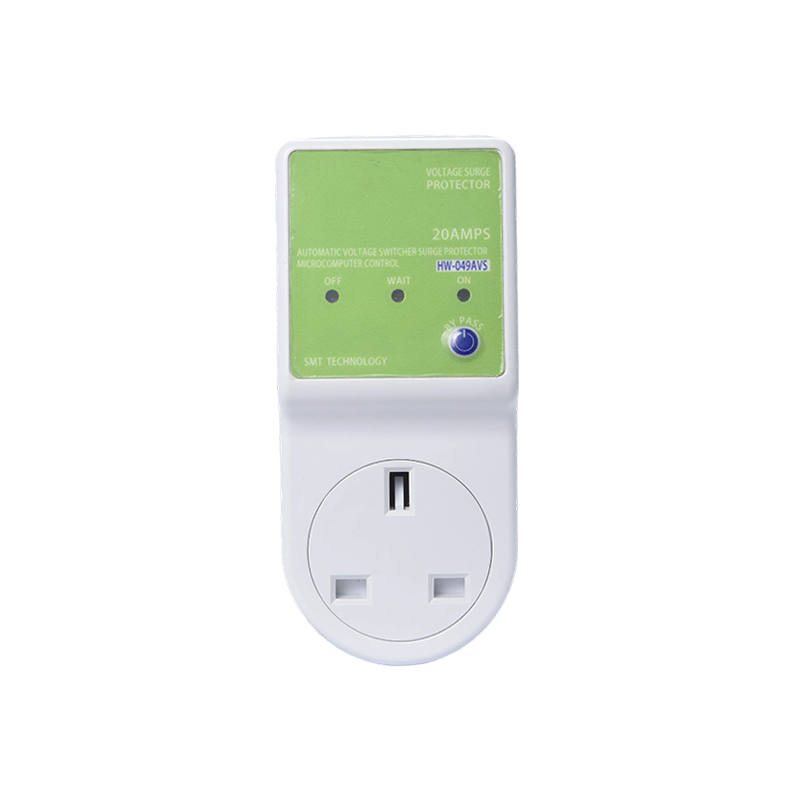
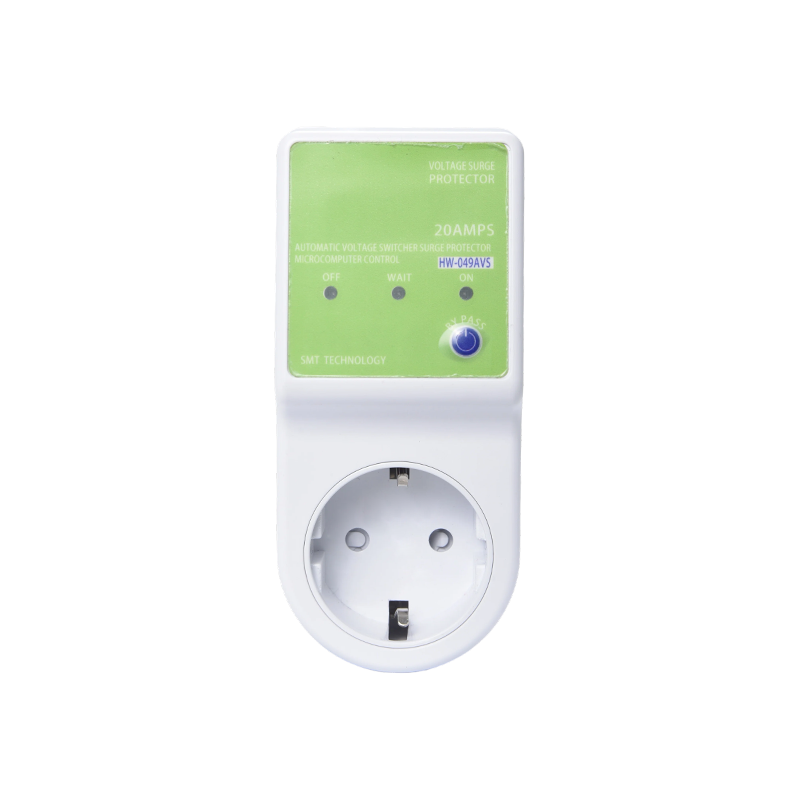
What Is a Voltage Protector? A voltage protector is an electrical device that monitors incoming line voltage and automatically disconnects power to c...
READ MORE
Industry News
Home / News / Industry News / Voltage Protector for Microwave: A Practical Buying Guide for Importers
Voltage Protector for Microwave: A Practical Buying Guide for Importers
Update:10-09-2026
Appliance Protection
The Quiet Threat to Your Microwave: Why Voltage Protection Deserves a Second Look
A practical guide to overvoltage and undervoltage protection for microwave ovens: what to look for, what to skip, and which ratings actually match the appliance on your counter.
Your microwave runs fine for years, then one stormy afternoon it simply stops. The display goes dark, the turntable freezes, and the repair technician says the control board is dead. In areas with an unstable grid, the real cause is often not the microwave itself, but the voltage feeding it.
Microwaves are more sensitive to grid conditions than most people believe. A properly selected voltage protector can prevent that failure quietly, by disconnecting the appliance before a bad voltage event reaches its power supply.
Do Microwaves Actually Need Voltage Protection?
The short answer is yes, but not for the reason most power strip ads suggest. Every microwave contains a varistor on its input stage, a sacrificial component that clamps brief voltage spikes. That part can absorb a spike or two, but it does nothing about a grid that drifts high for hours or drops low during a brownout. Over time, the stress accumulates in the switch-mode power supply and the control board.
A varistor absorbs one or two big spikes. It was never designed to hold back a grid that runs too high all evening, or too low to keep a magnetron happy.
Overvoltage can come from transformer faults, lightning-induced surges, or a disconnected neutral. Undervoltage typically arrives as brownouts, heavy shared loads, or undersized wiring. Both conditions stress a microwave far more than a single clean spike. A voltage protector watches the incoming line and cuts the circuit when it leaves a safe window, then restores power once the grid settles.
A voltage protector is not a power strip. A power strip distributes power and may filter noise; a voltage protector disconnects the appliance entirely when the line is outside safe parameters.
What a Voltage Protector Does That a Surge Protector Doesn't
Surge protection and voltage protection are often confused because the products look similar. A surge protector clamps short, high-energy spikes and uses a Joule rating to describe how much energy it can absorb. A voltage protector, by contrast, measures the continuous voltage level and opens the circuit when that level falls outside an acceptable range.
| Feature | Surge Protector | Voltage Protector |
|---|---|---|
| Main function | Clamps short voltage spikes | Disconnects during overvoltage or undervoltage |
| Response time | Microseconds | Seconds by design |
| Handles brownouts | No | Yes |
| Handles sustained high voltage | No | Yes |
| Protection after a spike | Reduced, sometimes silently | Unchanged, resets automatically |
Because the two devices solve different problems, the strongest setup for a microwave is a protector that monitors the line continuously and disconnects fast. That is the working principle behind automatic voltage protectors. If you want the operating sequence explained in plain terms, this article on what a voltage protector actually does walks through a typical grid fault step by step.
Plugging a microwave into a basic power strip adds convenience, not protection. A standard strip has no cut-off function, so brownouts and sustained overvoltage pass straight through to the appliance.
Matching the Protector to Your Microwave's Real Power Draw
The most common mistake is ignoring the current rating. A 1250 W microwave on a 120 V circuit draws about 10.4 A. On a 230 V circuit, the same appliance draws only 5.4 A. A protector rated for 15 A at the matching voltage covers both cases with headroom. A 5 A unit designed for phone chargers does not.
| Appliance Load | Grid Voltage | Calculated Current | Recommended Protector |
|---|---|---|---|
| 750 W microwave | 120 V | 6.3 A | 10 A or 15 A |
| 1000 W microwave | 120 V | 8.3 A | 10 A or 15 A |
| 1250 W microwave | 120 V | 10.4 A | 15 A |
| 1500 W convection microwave | 120 V | 12.5 A | 15 A |
| 3000 W oven or range | 230 V | 13.0 A | 15 A or 30 A |
For a typical household microwave, a 15 A adjustable voltage protector is the sweet spot. It covers the magnetron's start-up draw and matches the branch circuit capacity found in most residential kitchens. If you are protecting a convection microwave or a compact oven, step up to the next rating. And if your microwave trips a power strip, check the strip's rating first; that failure is usually load related, not voltage related.
A 15 A rated protector on a 120 V circuit covers the vast majority of residential microwaves. If a toaster oven shares the same circuit, add its current draw before deciding.
230 V or 120 V: How Your Grid Standard Changes the Choice
Voltage protectors are not universal. A unit built for the European 230 V / 50 Hz grid cannot be used on a North American 120 V / 60 Hz outlet, and the plug geometry alone prevents a mismatch. That is why manufacturers separate product lines by regional standard.
European models are typically rated at 230 V and 15 A, with a maximum load around 3300 W. North American models come in 110 V and 120 V versions at 10 A, 13 A, 15 A and 30 A. The protection logic is identical, but the cut-off thresholds, reset delays and plug types are tuned to the local grid.
When you select a protector for your market, confirm the nominal voltage, frequency and plug standard before comparing prices. A 230 V protector sold into a 120 V market will never protect anything, because it will never see a voltage it considers abnormal.
What to Look for When Sourcing Voltage Protectors
If you are buying one unit for your kitchen, the checklist is short: correct voltage, correct current, automatic cut-off, and a sensible reset delay. If you are sourcing for resale, for rental properties, or for a maintenance contract, the checklist becomes a specification sheet.
Thresholds You Can Actually Trust
Adjustable protectors let you define the upper and lower cut-off points. Automatic protectors ship with fixed thresholds from the factory. Both approaches work; what matters is that the thresholds match the device being protected and the normal voltage range of the local grid.
Certifications and Repeatable Quality
CE marking and ISO 9001 certification are baseline signals for export-grade electrical products. The harder question is whether the factory delivers the same electrical behavior across thousands of units. Ask about the inspection flow, the relay brand, and the failure mode of the sensing circuit, not just the certificate.
- Confirm the rated current and wattage for every single SKU, not just the flagship model.
- Ask whether the cut-off thresholds are field adjustable or factory fixed.
- Check the reset delay; a restart that comes too quickly can damage a compressor or magnetron.
- Request written specifications for response time, cut-off voltage range and rated load.
A protector with a vague datasheet is worse than none. If the supplier cannot state the cut-off range, response time and rated load in writing, treat it as a red flag.
The Bottom Line
A microwave does not need a power strip; it needs a device that watches the line and disconnects when the grid misbehaves. The practical formula is simple: match the protector's voltage to your grid, confirm the current rating covers the appliance with margin, and choose a model with automatic or adjustable cut-off that resets after a sensible delay.
For buyers working in volume, the same formula applies at the supplier level. Look for a manufacturer with its own design team, clearly documented specifications and consistent quality control, rather than a trader reselling anonymous white-label boxes. The comprehensive guide to voltage protectors covers the full range of working principles and product types if you want to go deeper.
Recommended Products
News
-
-
Power protection, explained Voltage Regulator or Surge Protector for TV: Which One Does Your Screen Need? Spikes, sags and slow brownouts damage a te...
READ MORE -
After a grid fault pushes the voltage in your home above 280 V or below 165 V for even a few seconds, the compressor in your refrigerator or air cond...
READ MORE -
With the improvement of residents' awareness of electrical safety and the rapid development of the smart home market, over/under voltage protector sm...
READ MORE -
With the continuous increase of electrical safety supervision, the certification system of the over/under voltage protector smart socket industry is ...
READ MORE -
With the improvement of residents' living quality and the enhancement of awareness of electrical safety, consumers' demand for over/under voltage pro...
READ MORE

Ningbo Haowei Electric Technology Co., Ltd.
-
Address
No. 261 Lvyuan 2nd Road, Chongshou Town, Qianwan New Area, Ningbo City, Zhejiang Province, China
-
Mobile
+86-13566611998
-
Email
Copyright © Ningbo Haowei Electric Technology Co., Ltd. Rights Reserved.
 Custom Smart Timer Plug Manufacturers