
 English
 中文简体
 Español
 Português

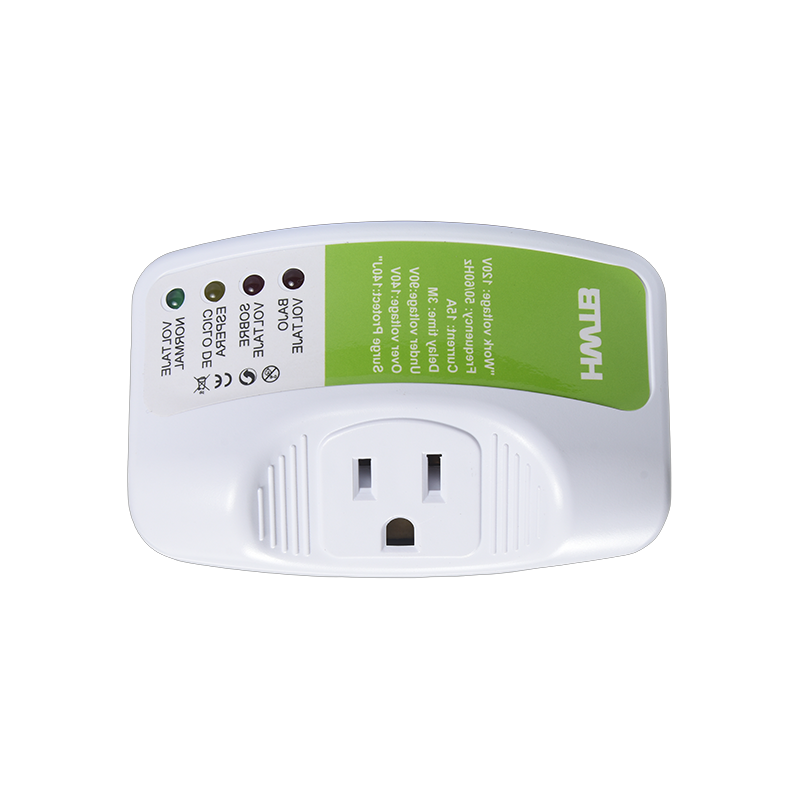
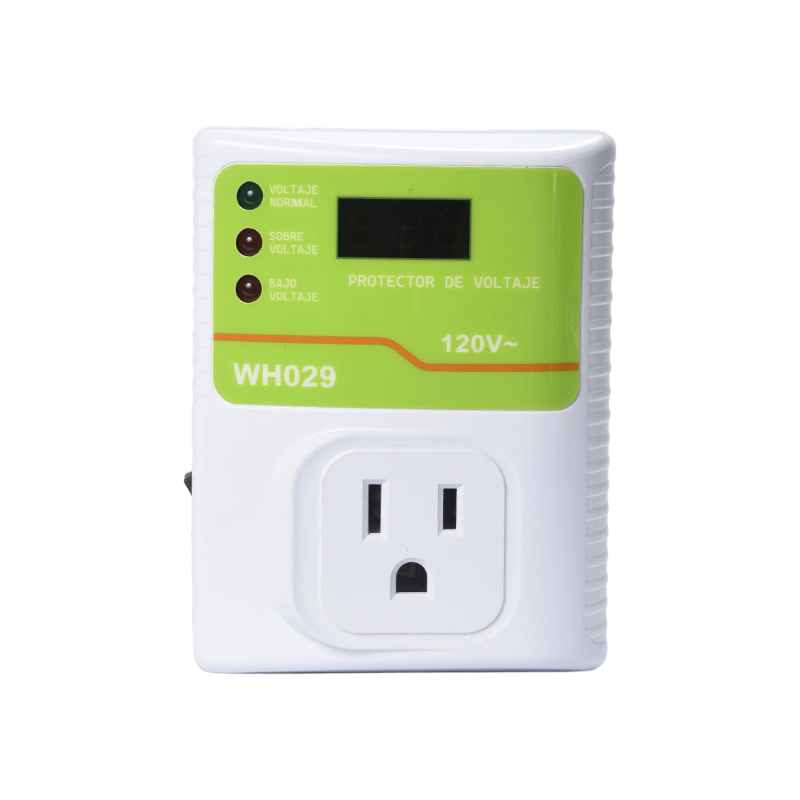
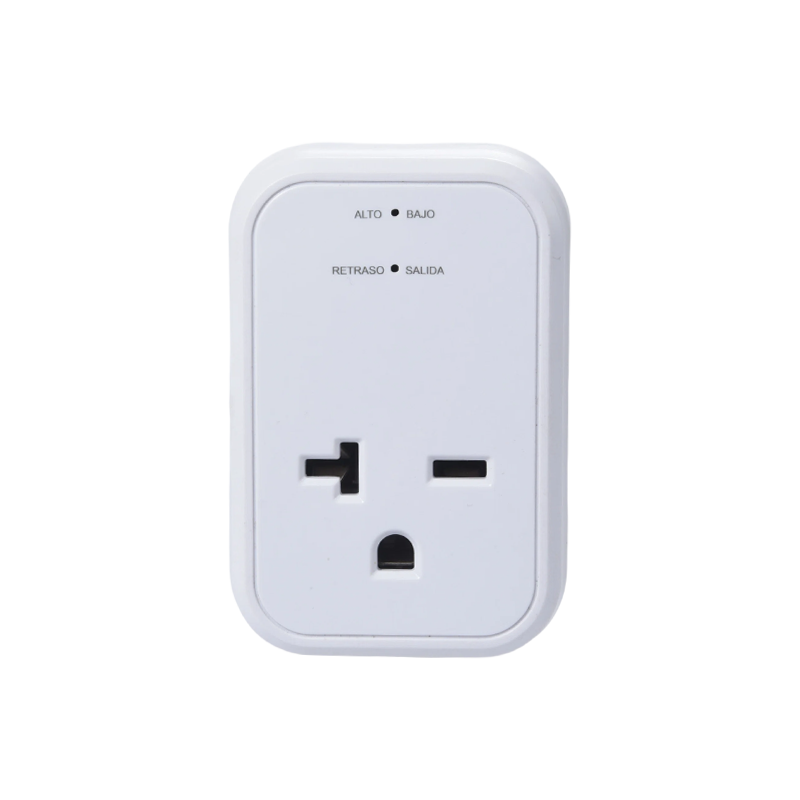
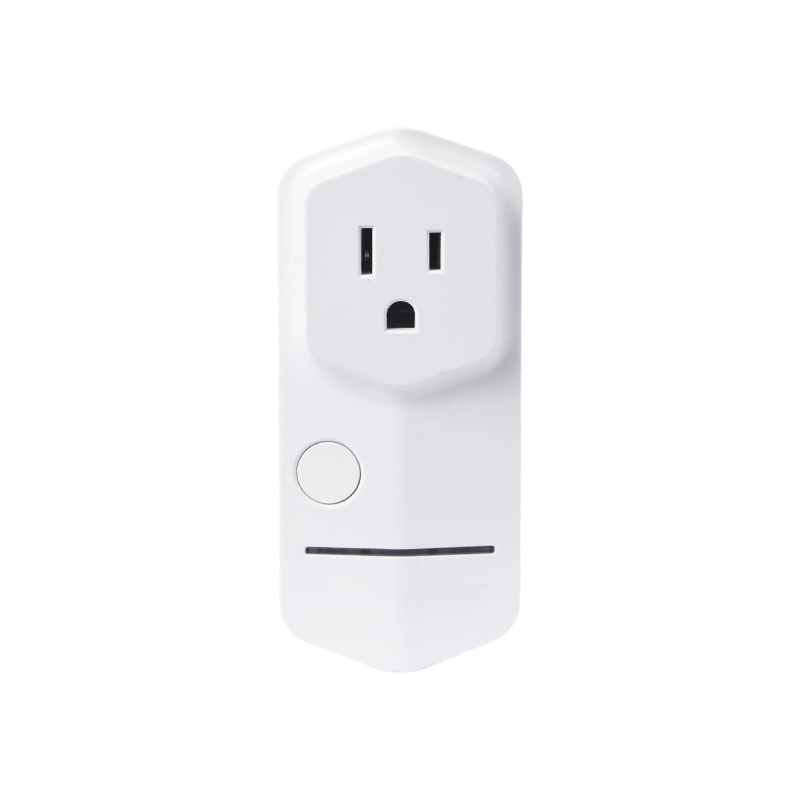
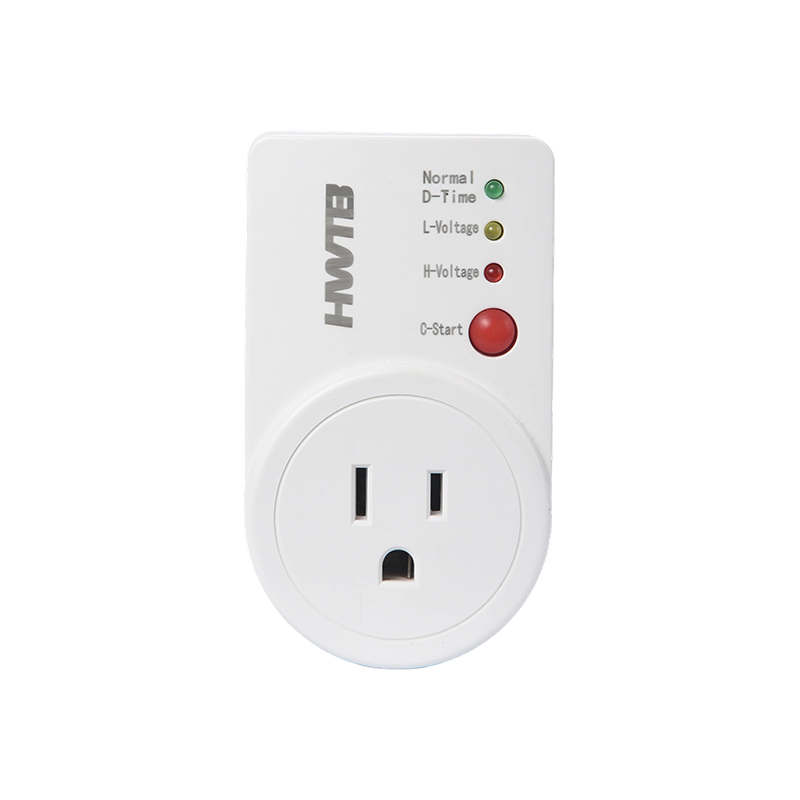
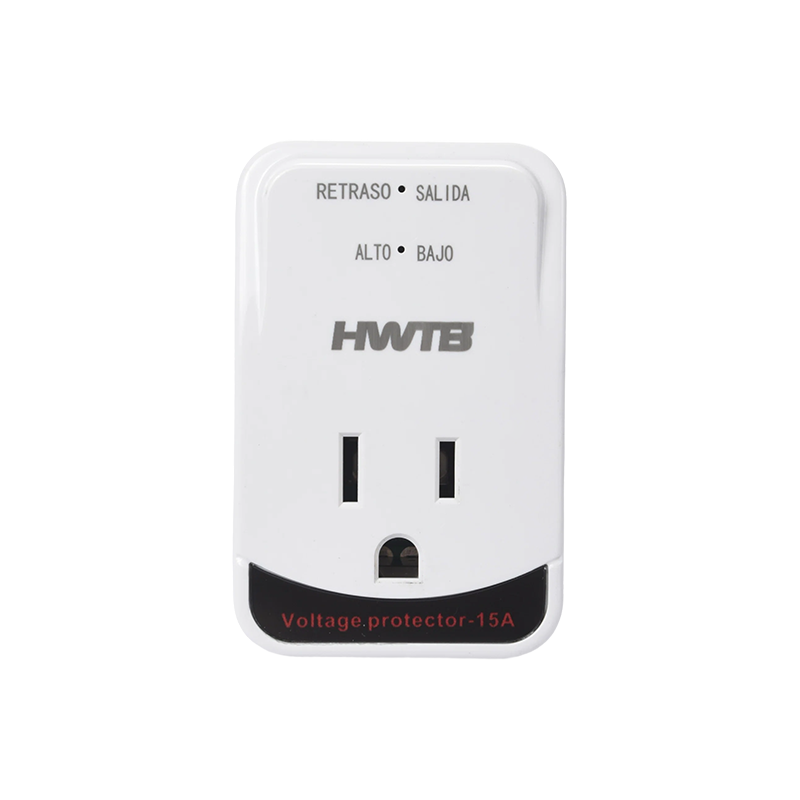
Look at the label on almost any surge protector and you will see voltage figures that seem to contradict each other: a device made for a 120 V circui...
READ MORE
Industry News
Home / News / Industry News / Surge Arrester vs Over/Under Voltage Protector: What Really Protects Equipment
Surge Arrester vs Over/Under Voltage Protector: What Really Protects Equipment
Update:22-10-2026
Surge Arrester and Over/Under Voltage Protection
Surge Arresters and Over/Under Voltage Protectors Are Not the Same Device
One deflects lightning-scale transients. The other halts prolonged voltage swings. A protection strategy that ignores the difference is only half a strategy.
A coastal bottling plant lost three refrigeration compressors in one stormy summer. Its panel carried surge arresters and the lightning counters had clicked, yet the motors still died. A nearby feeder fault had pushed line voltage above 275 volts for hours; the arresters stayed silent, and the compressors cooked under sustained overvoltage.
The lesson applies to any importer, specifier, or facility manager: a surge arrester clears fast transients, while an over/under voltage protector disconnects the load before prolonged high or low voltage causes damage. They operate on different timescales and respond to different events. Choosing one when the site needs the other leaves equipment exposed.
What a Surge Arrester Actually Does
A surge arrester is built for short, violent events. When lightning strikes a nearby line or a large inductive load switches off, the grid can jump far above nominal voltage for a few microseconds. The arrester detects the fast-rising edge, conducts the surge current to earth, and clamps the voltage to a safe threshold.
Most modern arresters use metal-oxide varistors that change impedance almost instantly as voltage rises. In normal operation they are nearly invisible to the circuit; during a spike they become a low-impedance path to ground within nanoseconds, then return to standby. Panel-mounted and service-entrance arresters are sized by energy absorption, response time, and clamping voltage.
Think of a surge arrester as a pressure relief valve for voltage. It opens only when pressure rises suddenly, and it opens fast. It does not, and cannot, correct a grid that runs chronically high or low.
What an Over/Under Voltage Protector Does Differently
An over/under voltage protector works on a different timescale. Instead of reacting to microseconds, it monitors RMS voltage continuously: when the supply stays above the upper trip point or below the lower trip point for a defined period, it opens the circuit and removes the load from the grid.
The restart behavior matters just as much. A built-in delay of one to three minutes gives compressors and control boards time to stabilize before power returns, preventing the short-cycling that kills refrigeration equipment.
A typical operating cycle follows four steps:
- Monitor the incoming RMS voltage continuously.
- Compare it against the upper and lower trip thresholds for a set delay.
- Open the relay when the threshold violation persists.
- Reconnect after a fixed or adjustable restart delay once voltage recovers.
Adjustable models add flexibility where the grid is unstable. A workshop with weak mains can widen the operating window, for example from 190 to 265 volts, instead of tripping every time the utility drifts. The full threshold and relay logic is covered in this comprehensive guide to voltage protector working principles.
Side-by-Side: The Core Differences
A direct comparison makes the distinction easy to communicate to installers and buying teams.
| Dimension | Surge Arrester | Over/Under Voltage Protector |
|---|---|---|
| Protection target | Transient voltage spikes measured in microseconds | Sustained high or low RMS voltage lasting seconds to hours |
| Trigger condition | Sudden energy surge | Voltage beyond thresholds for a defined period |
| Effect on the circuit | Clamps the spike and diverts current to earth | Disconnects the load entirely |
| Energy handling | High energy, very brief duration | Low energy, long duration |
| Typical response time | Nanoseconds | Milliseconds to seconds |
| After the event | Resets automatically and silently | Reconnects after a delay, often one to three minutes |
| Common cause | Lightning, switching surges, grid faults | Neutral faults, grid overload, brownouts, generator drift |
Equipment exposed to both lightning and grid instability needs both functions. That is why many modern protectors combine an MOV-based surge path and a relay-based over/under voltage cutoff inside one enclosure.
Why the Distinction Matters in Real Installations
Field failures tell the same story. A lightning strike a kilometer away can induce a 2 kV spike into outdoor wiring; only a surge arrester clamps it fast enough to save the power supply. A loose neutral can push a 230 V phase toward 380 V, and the sustained rise will destroy devices while the surge arrester stays passive. A brownout, meanwhile, makes motors draw more current, lose torque, and overheat until relay-based protection cuts the load.
Grid reality. Many utilities allow nominal voltage to vary by ±10 percent, and rural feeders often exceed that range during peak demand. Trip thresholds become routine operating parameters in unstable areas.
Common misconception. A surge protector is often assumed to protect against overvoltage too. In most products, the surge element and the voltage cutoff element are separate circuits. Verify both functions before relying on either.
When both layers are present, the results appear in maintenance logs: fewer burned power supplies, fewer stalled compressors, fewer control-board faults.
Expected outcome. Combined protection reduces appliance failures caused by grid anomalies and gives maintenance teams a clear indication of which threat tripped the device.
Key Specifications to Check Before You Buy
Reading a voltage protector datasheet is easier when it answers six questions.
| Specification | What to verify | Why it matters |
|---|---|---|
| Rated voltage and frequency | 230 V / 50 Hz for European-type, 120 V / 60 Hz for US-type | A wrong rating either trips constantly or fails to trip inside the intended range. |
| Current rating | 5 A, 10 A, 13 A, 15 A, 30 A depending on model | Must match the full-load current of the protected device, not the socket rating. |
| Trip thresholds | Adjustable or fixed upper and lower limits | Adjustable models adapt to weak grids; fixed models suit stable utility networks. |
| Reset delay | Usually 30 seconds to 3 minutes | Delayed restart protects compressors and prevents short-cycling. |
| Surge capability | MOV joule rating, clamping voltage, response time | Higher joule ratings absorb repeated small surges; faster response protects sensitive electronics. |
| Certification | CE, ISO 9001, target-market standards | Required for imports, insurance coverage, and safety inspections. |
Ordering hazard. Never select a protector rated below the full-load current of the appliance. A 10 A protector feeding a 15 A air conditioner will overheat its internal relay contacts, and the failure can stay invisible until the device fails to disconnect. Size the relay for the startup condition, not just the running current.
Matching the Protector to Your Application
Different loads stress a protector in different ways. The right configuration balances current rating, trip behavior, and surge capacity against the actual appliance.
Air conditioners and compressors
Air conditioners combine high starting current with sensitivity to undervoltage and short-cycling. A dedicated unit with a 30 A relay and adjustable trip range suits most split systems; the 110 V 30 A US air-conditioner series covers North American 120 V circuits, while European-type equivalents handle 230 V markets.
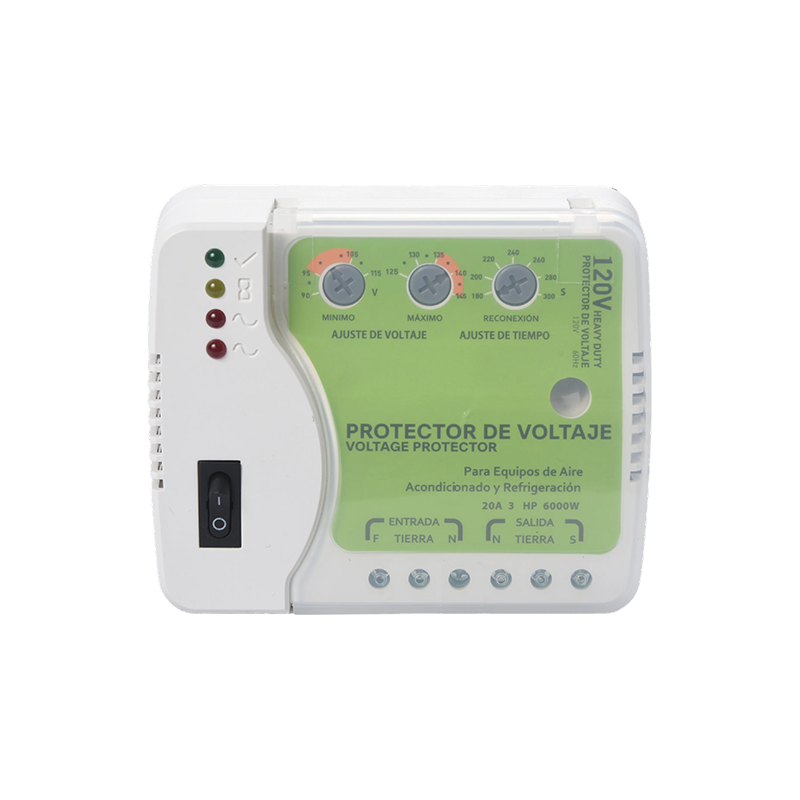 110V 30A Adjustable Voltage Protector for Air ConditionersThis unit handles high starting currents and offers adjustable trip ranges for split systems, protecting compressors in North American 120V circuits.View Product →
High-power cooking, water heating, and heating loads
Ovens, water heaters, and induction cooktops draw sustained current for long periods, so the relay must be rated for continuous load. A 230 V, 15 A protector rated at 3300 W matches most single-phase high-power appliances; the HWTBV055G 3300 W series in the European range is a representative configuration.
 230V 15A Adjustable Voltage Protector with Long Delay StartSuitable for continuous-load appliances like ovens and water heaters, this 3300W-rated protector includes a 905-second delay and preset protection thresholds.View Product →
Multiple devices sharing one outlet
Workshops, home offices, and entertainment centers often connect several loads to one socket. A multi-outlet protector with a shared cutoff simplifies the installation and protects the whole cluster.
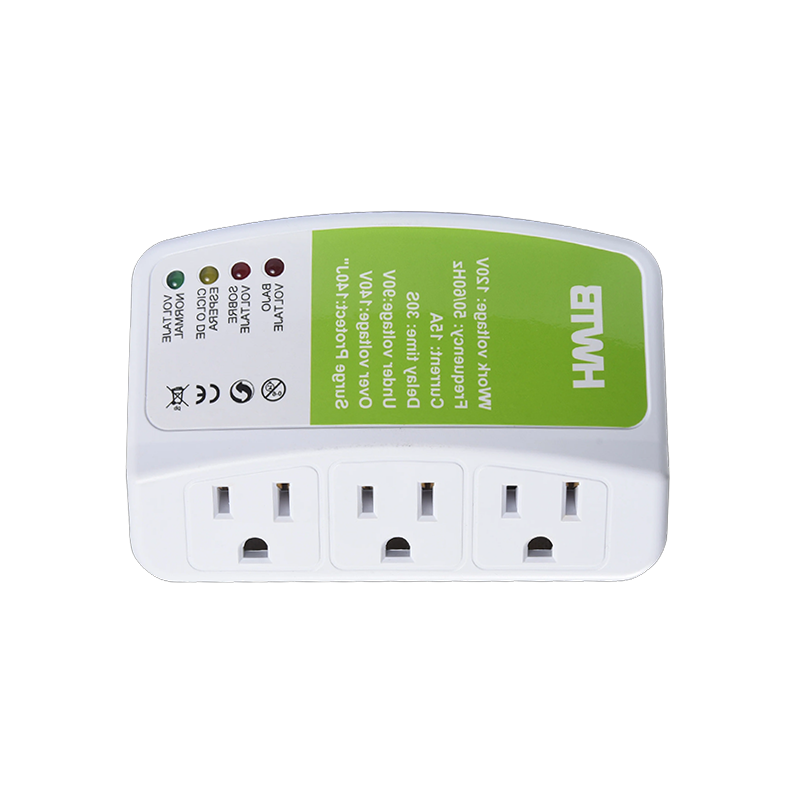 110V 15A Multiple Outlet Voltage Surge ProtectorIdeal for workshops and entertainment centers, this multi-outlet device guards several loads at once with a shared cutoff and 3-minute delayed start.View Product →
American residential supply is typically 120 V split-phase, with large appliances on 240 V circuits. The protector must match the circuit: 120 V-rated units for receptacle circuits, 230 V-rated units for large appliances. European and most Asian systems run 230 V at 50 Hz, where the same logic applies in reverse.
A Quick Checklist Before You Order
- Confirm the nominal voltage and frequency of the destination market, not the country where the order is placed.
- Verify the current and power rating against the largest load, including startup surge.
- Choose adjustable trip thresholds when the local grid is weak or unstable.
- Confirm the reset delay if the protected load contains a compressor or pump.
- Request certification documents: CE for Europe, North American safety marks, and ISO 9001 evidence for the manufacturing line.
The real question is not surge arrester versus over/under voltage protector; it is which failure mode your equipment will face. Lightning and switching transients demand surge arresters. Sustained grid excursions demand over/under voltage protection. Installations that see both must use both, either as separate devices or as a combined protector. Field evidence is consistent: the dramatic lightning strike gets the attention, but the long evening when the grid ran 20 percent high does most of the damage. Review the full range of voltage protection products to match the right configuration to your market, voltage, and load.
Recommended Products
News
-
-
Power protection, explained Voltage Regulator or Surge Protector for TV: Which One Does Your Screen Need? Spikes, sags and slow brownouts damage a te...
READ MORE -
What sits between the socket and the appliance: sensing, reference, comparison, delay and switching, and how those choices decide whether a protecto...
READ MORE -
Voltage Spike Protector Outlet: What It Is, Key Specs, and How to Choose Behind many appliance failures is not a dramatic lightning strike but a bri...
READ MORE -
With the improvement of residents' awareness of electrical safety and the rapid development of the smart home market, over/under voltage protector sm...
READ MORE -
With the continuous increase of electrical safety supervision, the certification system of the over/under voltage protector smart socket industry is ...
READ MORE

Ningbo Haowei Electric Technology Co., Ltd.
-
Address
No. 261 Lvyuan 2nd Road, Chongshou Town, Qianwan New Area, Ningbo City, Zhejiang Province, China
-
Mobile
+86-13566611998
-
Email
Copyright © Ningbo Haowei Electric Technology Co., Ltd. Rights Reserved.
 Custom Smart Timer Plug Manufacturers