
 English
 中文简体
中文简体 Español
 Português
Power protection, explained Voltage Regulator or Surge Protector for TV: Which One Does Your Screen Need? Spikes, sags and slow brownouts damage a te...
READ MORE
Industry News
Home / News / Industry News / Surge Protector Voltage Meaning: What Clamping and Let-Through Voltage Mean
Surge Protector Voltage Meaning: What Clamping and Let-Through Voltage Mean
Update:25-08-2026
Look at the label on almost any surge protector and you will see voltage figures that seem to contradict each other: a device made for a 120 V circuit, yet carrying a clamping voltage of 330 V. The numbers describe different aspects of the same protection system, and confusing the two is how people end up buying a protector matched to the wrong supply or too slow to be useful.
In short, rated voltage tells you which mains system the protector is built for, clamping voltage tells you the threshold at which it starts suppressing a surge, and let-through voltage tells you the maximum voltage that actually passes downstream while it is working. Lower clamping and let-through voltage generally means earlier and tighter protection, provided the rest of the design, energy rating, and response time are adequate.
What the Voltage Ratings on a Surge Protector Mean
Surge protector voltage meaning becomes clear once you separate the specifications into three groups: the operating system voltage, the suppression threshold, and the residual voltage downstream.
Rated or system voltage. This is the continuous mains voltage the protector is designed to operate on: 110–120 V for North American circuits, 220–230 V for European and most Asian circuits, and sometimes both on multi-voltage products. Matching this figure to your local supply is the first and most basic requirement. A 120 V unit on a 230 V line will be under continuous stress, while a 230 V unit on a 120 V line will clamp far too late to protect anything.
Clamping voltage. This is the threshold at which the protective components inside the unit start conducting and shunting the surge. In UL 1449 terminology the closest equivalent is the voltage protection rating (VPR), which is grouped into nominal values of 330 V, 400 V, and 500 V. A protector with a 330 V rating begins its work earlier during a rising transient than a 500 V unit.
Let-through voltage. This is the maximum instantaneous voltage that appears on the output side while the protector reacts to a surge. The let-through voltage is usually close to the clamping voltage but slightly higher, because it includes the physical response time of the circuit and the internal wiring. It is the figure that best describes the actual stress your equipment sees.
| Specification | What it means | Common values |
|---|---|---|
| Rated / system voltage | Mains supply the protector is designed for | 120 V, 230 V |
| Clamping voltage | Threshold where suppression begins | 330 V, 400 V, 500 V per UL 1449 |
| Let-through voltage | Maximum voltage reaching the load during a surge | Slightly above the clamping voltage |
| MCOV (maximum continuous operating voltage) | Highest continuous voltage the component can tolerate | Around 150 V for 120 V circuits; around 275 V for 230 V circuits |
How the Voltage Rating Reflects the Way a Surge Protector Works
Most plug-in surge protectors use a metal oxide varistor (MOV) as the core suppression component. The MOV has a characteristic threshold: below it, the device behaves almost like an insulator; above it, its resistance collapses and it conducts the excess current to the neutral or ground path. The clamping voltage is not a marketing label. It is a direct result of the varistor selected by the manufacturer, and it defines the point at which the protector physically starts to act.
A surge can rise to damaging levels in microseconds and last only a few milliseconds, so response time matters as much as the threshold. A well-built protector responds in about one nanosecond, which keeps the output voltage close to its rated let-through level even during sharp transients. This is also why the voltage rating alone is not enough: the same clamping figure can produce very different real-world results depending on the circuit design around the MOV, the inductive impedance of the internal wiring, and the quality of the grounding at the socket.
What Clamping Voltage Does Protect, and What It Does Not
A lower clamping voltage is generally better. A 330 V-rated protector starts diverting energy earlier than a 500 V unit and leaves less excess voltage on the line to reach your equipment. However, clamping voltage is only one part of the performance envelope.
The joule rating describes how much total energy the suppressor can absorb before it wears out, and the peak surge current rating describes how large a single transient it can handle. A unit with a low clamping voltage but a weak joule rating will degrade after a few big surges, its protection fading until a later spike passes straight through. Conversely, a high-clamping unit will often survive large surges but exposes your equipment to more stress every time it operates.
It is equally important to recognize what a surge protector cannot do. A surge protector is not designed to correct brownouts, sustained undervoltage, or overvoltage that lasts for many cycles. Those conditions call for a voltage protector, which monitors the supply and disconnects the load when the RMS voltage moves outside a set range. For anyone researching surge protector voltage meaning, this distinction is central because it determines which product you actually need.
Surge Protector Voltage vs. Voltage Protector: Two Different Jobs
Surge protectors clamp brief high-voltage transients; voltage protectors respond to sustained supply-voltage abnormalities. A surge protector shields electronics from lightning-induced spikes and switching surges. A voltage protector guards appliances against the far more common grid problems: an undervoltage condition from a heavily loaded transformer, an overvoltage from a neutral fault, or voltage swings in areas with unstable distribution networks.
The operating voltages differ too. A surge protector on a 230 V system may have a clamping voltage of 330 V or higher, because a transient is, by definition, well above normal mains levels. A voltage protector, in contrast, often has adjustable trip thresholds around the nominal supply, for example 230 V ± 15%, and cuts the load when the sustained voltage crosses those bounds.
For a closer look at operating principles and selection criteria, read our comprehensive guide to voltage protectors. On the hardware side, an adjustable voltage protector rated for 230 V circuits allows you to define the trip limits yourself, which is valuable in locations where the supply range is known to be poor.
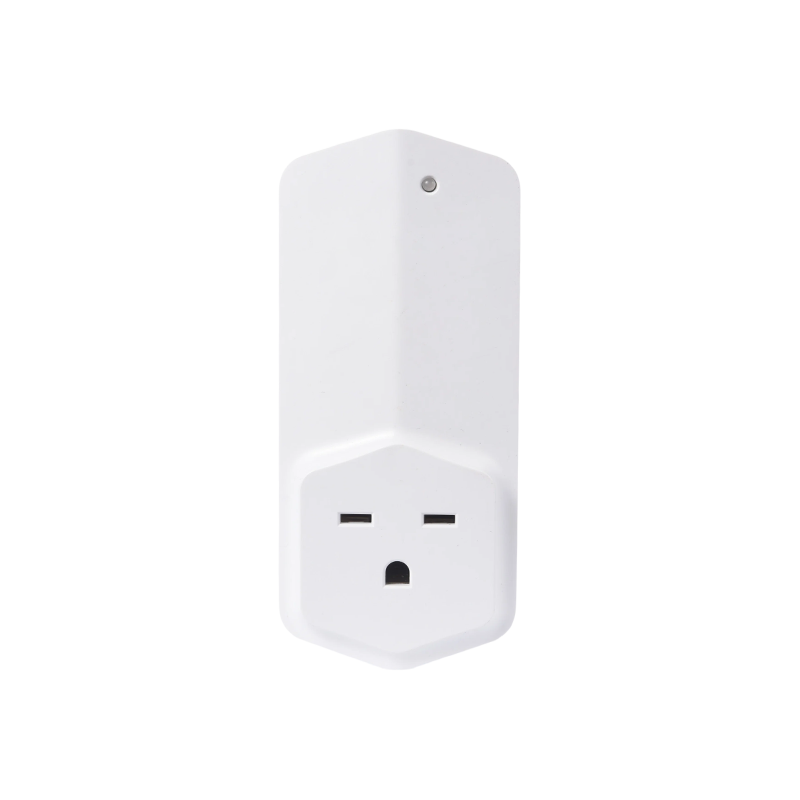 Wholesale HWTB-V008-CE-CE 230V 15A Adjustable Voltage Protector Suppliers, ChinNingbo Haowei Electric Technology Co., Ltd is China wholesale HWTB-V008-CE-CE 230V 15A Adjustable Voltage Protector suppliers and factor...View Product →
How to Choose the Right Voltage Rating for Your Appliances
Start with the system voltage, not the clamping figure. Confirm whether your circuit is 120 V or 230 V and choose a protector rated for that supply. The clamping voltage matters next: on the US market, UL 1449's 330 V class is the best commonly available rating for sensitive electronics, while 400 V and 500 V classes are acceptable for less sensitive loads but leave more voltage unprotected during the first moments of a surge.
After the voltage figures, check the current rating. High-power appliances place a continuous current demand on the protector, and the internal components must be rated accordingly. An air conditioner's compressor, for example, draws a heavy starting current and is particularly vulnerable to undervoltage, which overheats the motor and can cause the windings to fail. For such loads you want a protector rated at or above the appliance's running current, not a basic power strip rated for incidental electronics.
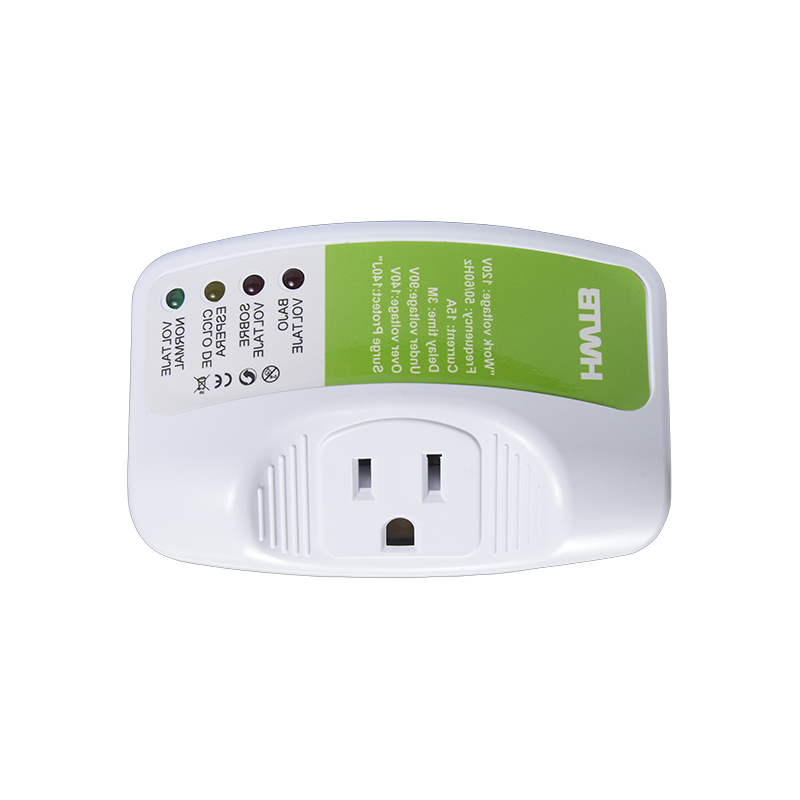
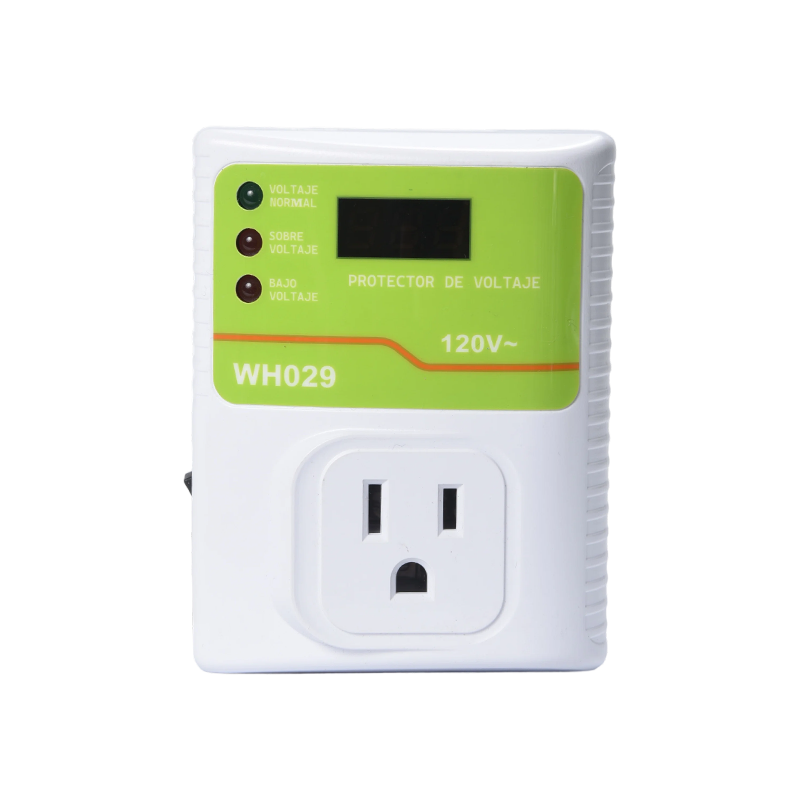
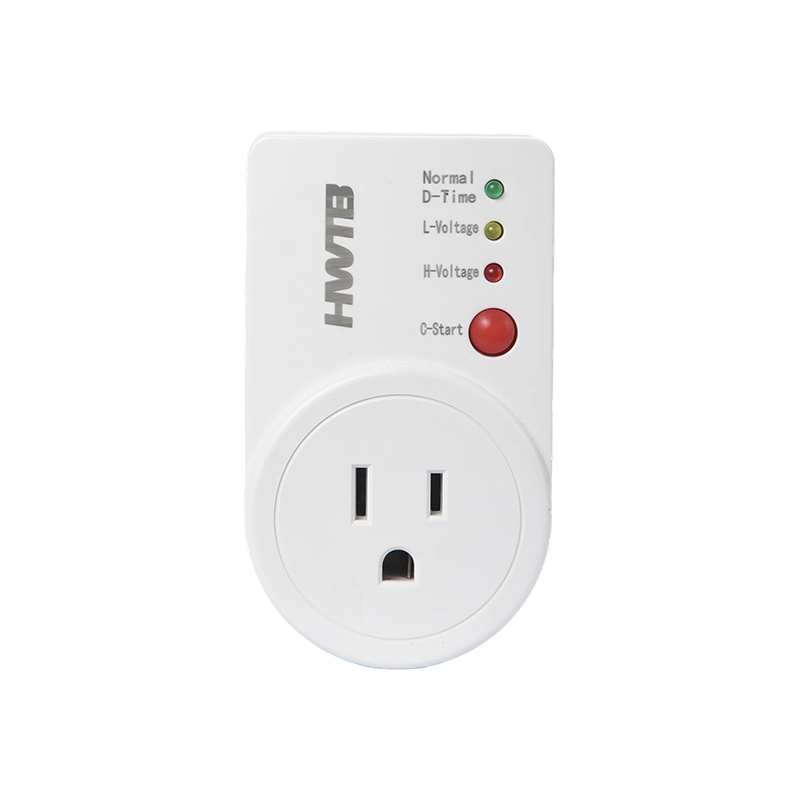
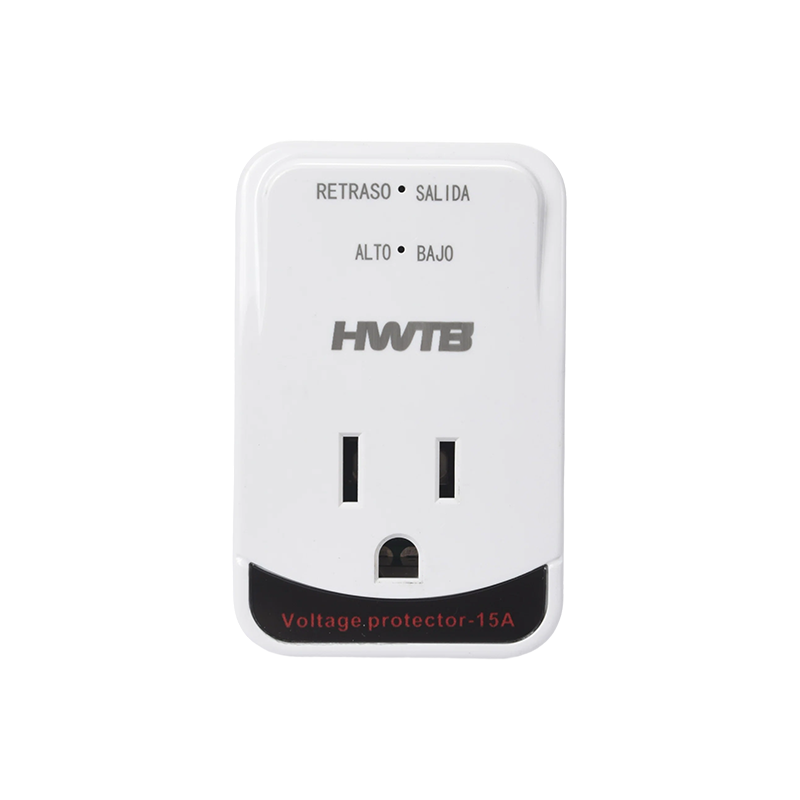
On a 120 V circuit, a unit such as the 120 V automatic voltage surge protector with a 15 A rating combines surge suppression and voltage monitoring in one device, cutting power if the supply leaves the acceptable band while also absorbing transients. For window and small split air conditioners on 230 V systems, the adjustable voltage protector for air-conditioner duty performs the same combination of functions and lets you set the exact cut-off points. If you need to compare several models before committing, browse the full voltage protection range and match the voltage, current, and trip behavior to the actual load.
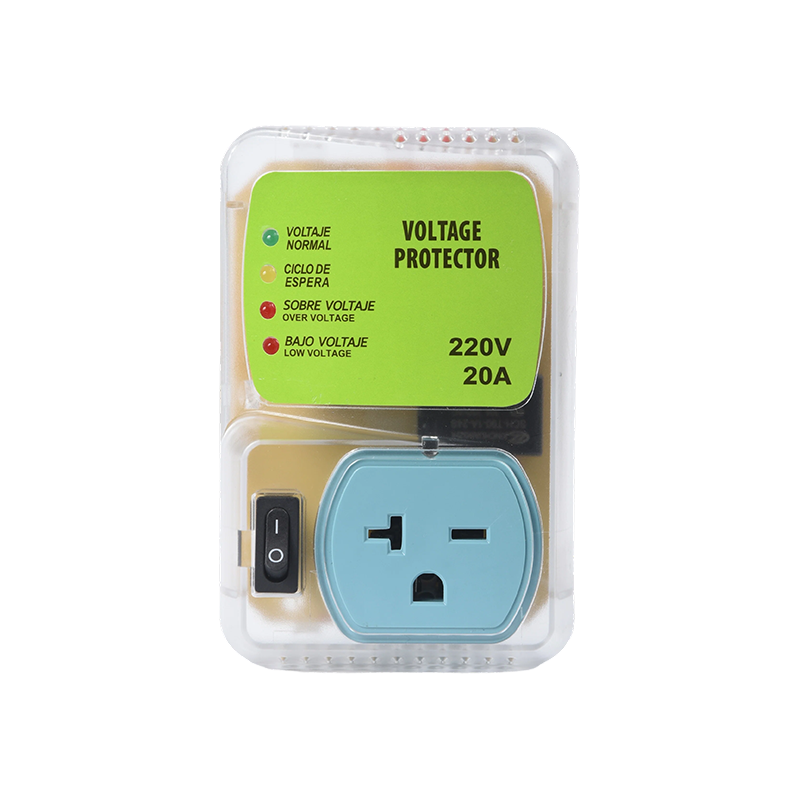 Wholesale HWTB-V002+CE 220V 15A Adjustable Automatic Voltage Protector for Air Ningbo Haowei Electric Technology Co., Ltd is China wholesale HWTB-V002+CE 220V 15A Adjustable Automatic Voltage Protector for Air Condi...View Product →
 Wholesale HWTB-V006-US 110V 15A Automatic Voltage Surge Protector Suppliers, ChiNingbo Haowei Electric Technology Co., Ltd is China wholesale HWTB-V006-US 110V 15A Automatic Voltage Surge Protector suppliers and facto...View Product →
The practical takeaway is simple: read all the voltage figures on the label, not just the joule number. Rated voltage confirms compatibility with your mains, clamping voltage confirms how early protection begins, and let-through voltage tells you how clean the output remains during a real transient. When you understand these three values, you can select a protector with confidence instead of guessing from a marketing photo.
Recommended Products
News
-
-
Appliance Protection The Quiet Threat to Your Microwave: Why Voltage Protection Deserves a Second Look A practical guide to overvoltage and undervolt...
READ MORE -
With the improvement of residents' awareness of electrical safety and the rapid development of the smart home market, over/under voltage protector sm...
READ MORE -
With the continuous increase of electrical safety supervision, the certification system of the over/under voltage protector smart socket industry is ...
READ MORE -
With the improvement of residents' living quality and the enhancement of awareness of electrical safety, consumers' demand for over/under voltage pro...
READ MORE -
What Is a Voltage Protector? A voltage protector is an electrical device that monitors incoming line voltage and automatically disconnects power to c...
READ MORE

Ningbo Haowei Electric Technology Co., Ltd.
-
Address
No. 261 Lvyuan 2nd Road, Chongshou Town, Qianwan New Area, Ningbo City, Zhejiang Province, China
-
Mobile
+86-13566611998
-
Email
Copyright © Ningbo Haowei Electric Technology Co., Ltd. Rights Reserved.
 Custom Smart Timer Plug Manufacturers