
 English
 中文简体
中文简体 Español
 Português
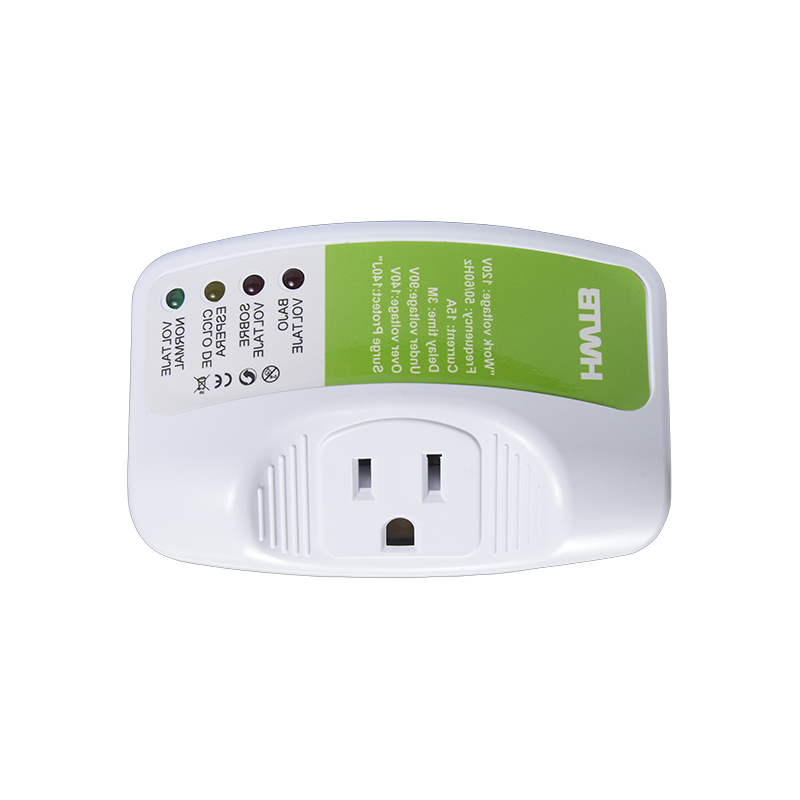
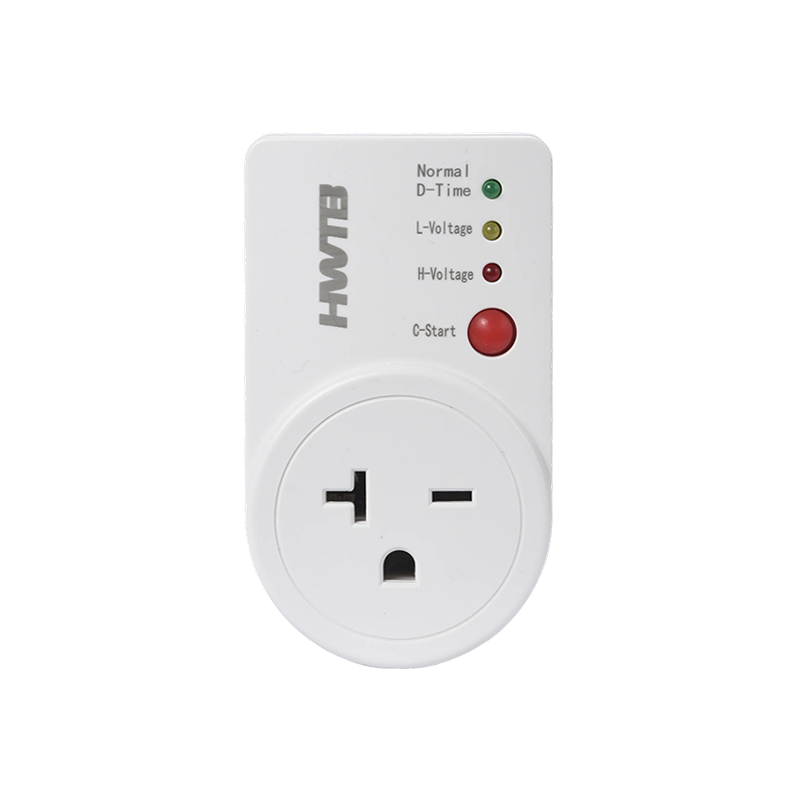
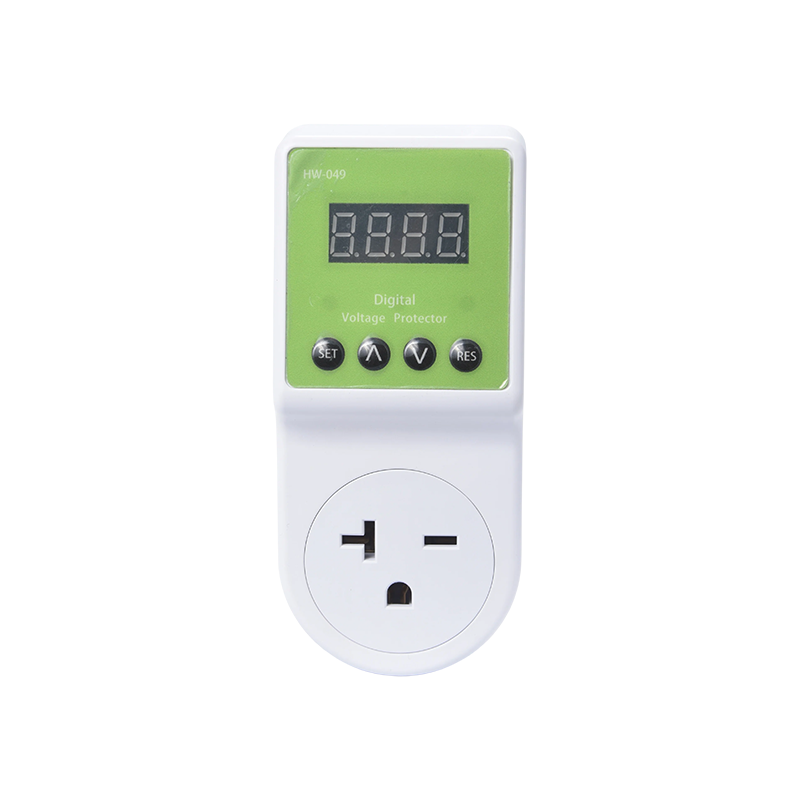
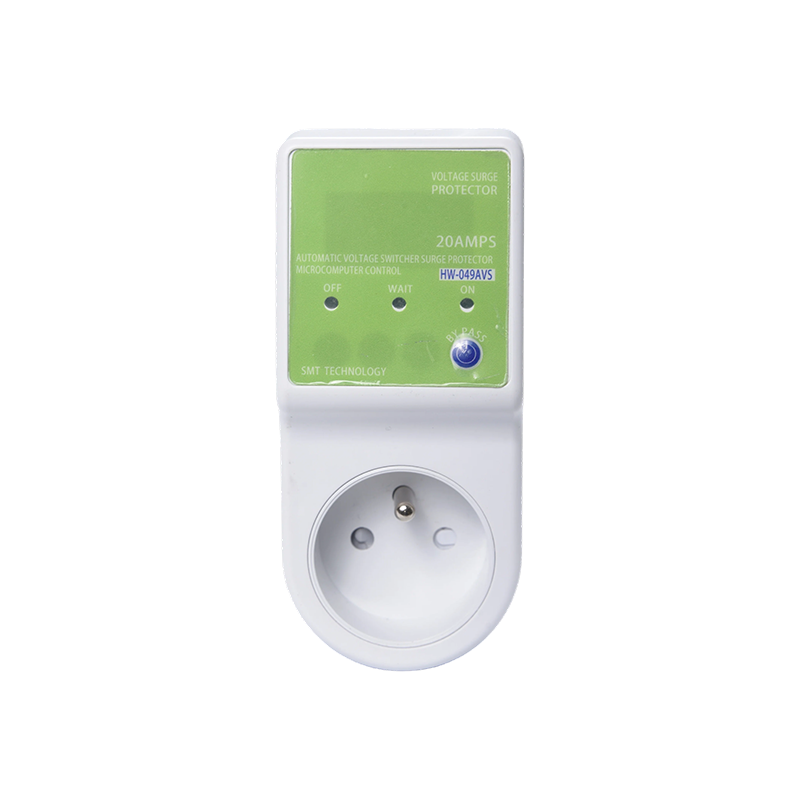
Power Quality & Equipment Protection The voltage protector and a surge protector are often bought as if they solve the same problem. They don't. ...
READ MORE
Industry News
What does a voltage protector actually do to protect my equipment?
Update:16-07-2026
Power Quality & Equipment Longevity
What Does a Voltage Protector Actually Do to Protect My Equipment?
A quiet mechanism standing between your appliances and the invisible instability of the electrical grid — and why that distinction matters more than most people realize.
The Direct Answer: What a Voltage Protector Does
A voltage protector device monitors the incoming electrical supply to your equipment and automatically disconnects power the moment voltage rises above or falls below a safe operating range. In plain terms, it acts as a gatekeeper between the wall outlet and your appliance, refusing to let dangerous voltage levels reach sensitive internal components. This single function — cutting off power during abnormal conditions — is what separates it from many other electrical accessories that only smooth out minor fluctuations.
Most household and commercial equipment is designed to run within a narrow voltage window, typically within 10% of the rated voltage. When voltage spikes due to grid instability, lightning-induced surges, or sudden load changes on a shared circuit, or when it sags due to brownouts or overloaded transformers, the internal circuitry of appliances like refrigerators, air conditioners, and electronics can overheat, degrade, or fail outright. A properly installed voltage protector interrupts this exposure before it becomes damage, making it one of the simplest and most cost-effective forms of equipment insurance available.
How the Protection Mechanism Actually Works
Inside a voltage protector, a monitoring circuit continuously reads the voltage of the incoming power line, often sampling dozens of times per second. When the reading crosses a preset upper or lower threshold, a relay or solid-state switch opens the circuit, cutting power to the connected load. After the voltage returns to a stable range and remains there for a set delay period — usually several seconds to a few minutes — the protector reconnects power automatically. This delay is intentional: it prevents the device from reconnecting during a still-unstable grid recovery, which could otherwise trigger a damaging cycle of repeated disconnections.
Key Components Involved
- Voltage sensing circuit — continuously measures line voltage
- Trip threshold settings — defines the upper and lower cutoff points
- Relay or solid-state switch — physically breaks or restores the circuit
- Reconnect delay timer — prevents premature reconnection during unstable conditions
- Status indicator — shows whether power is connected, tripped, or in delay mode
This layered response is what allows a voltage protector to react to both instantaneous events and slower drifts in supply quality, giving equipment owners a level of protection that goes beyond a simple fuse or circuit breaker.
Voltage Protector vs. Surge Protector: Understanding the Difference
One of the most common points of confusion is the difference between a voltage surge protector and a voltage protector designed for sustained over- or under-voltage conditions. Although both are protective devices, they respond to different types of electrical problems and are not always interchangeable.
| Feature | Voltage Protector | Voltage Surge Protector |
|---|---|---|
| Response time | Seconds to milliseconds | Nanoseconds to microseconds |
| Protects against | Sustained over/under voltage, brownouts | Brief high-voltage transients, spikes |
| Typical duration of event | Seconds to hours | Microseconds to milliseconds |
| Method of protection | Disconnects power supply | Absorbs or diverts excess energy |
Neither device fully substitutes for the other — a surge protector handles the split-second spike, while a voltage protector manages the slower, longer-lasting instability that follows it.
In practice, many facilities use both types together. The surge protector handles the split-second spikes from lightning or switching events, while the voltage protector manages longer-duration instability such as a transformer fault that pushes line voltage up by 20% for several minutes. Relying on only one type leaves a gap in coverage, since neither device is built to fully substitute for the other.
voltage protector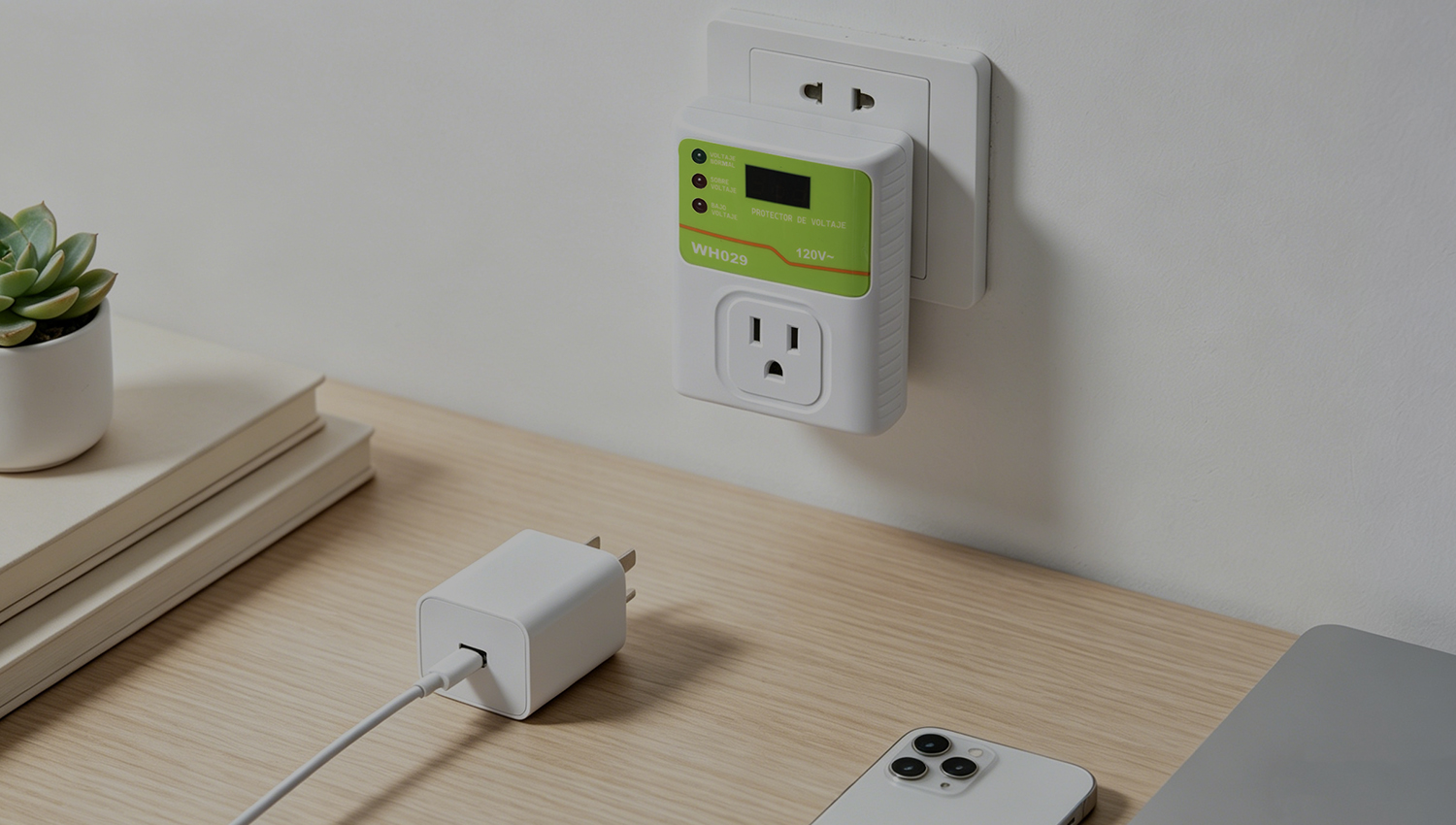
What Happens Without Adequate Protection
Equipment left exposed to unstable voltage tends to fail in predictable, well-documented ways. Compressors in refrigerators and air conditioners are particularly vulnerable, since undervoltage forces the motor to draw more current to maintain torque, which generates excess heat and can burn out windings within a single extended low-voltage event. Overvoltage, on the other hand, stresses insulation and capacitors, often causing gradual degradation that shortens a device's lifespan by years even if no immediate failure occurs.
Warning
A single overvoltage event lasting only a few minutes can be enough to damage a printed circuit board, while repeated minor fluctuations accumulate stress that eventually leads to complete failure.
Industry estimates suggest that unmitigated voltage fluctuations account for a meaningful share of premature appliance and motor failures in regions with less stable grid infrastructure. This is why many manufacturers explicitly recommend pairing sensitive equipment with over voltage protection devices as a condition of warranty coverage, particularly for climate control systems and industrial motors.
Common Failure Patterns by Equipment Type
- Refrigeration compressors: winding burnout from undervoltage current draw
- Electronics and appliance control boards: capacitor and chip damage from overvoltage
- Motors and pumps: bearing wear and insulation breakdown from voltage imbalance
- Lighting systems: reduced bulb or driver lifespan from repeated voltage swings
Does It Protect Against Both High and Low Voltage?
Yes — a properly specified voltage protector device addresses both directions of instability, though the exact thresholds are adjustable depending on the equipment and local grid conditions. Overvoltage protection typically activates when the supply exceeds around 110–120% of the rated voltage, while undervoltage protection typically activates when supply drops below 85–90% of rated voltage. These figures vary by manufacturer and application, but the underlying principle stays consistent: the device treats deviation in either direction as a threat and responds the same way, by cutting the connection.
Some models also monitor for phase loss and phase imbalance in three-phase systems, which is especially relevant for industrial motors that can be destroyed within seconds if they attempt to run on only two of three phases. This broader monitoring scope is one reason commercial-grade units are often priced and rated differently from basic residential models — the underlying detection logic has to account for more failure scenarios.
Can It Prevent Lightning-Related Damage?
A standard voltage protector is not designed as a primary lightning defense. Lightning-induced surges spike to thousands of volts within microseconds — far faster than a relay-based voltage protector can physically react. For this type of threat, a dedicated voltage surge protector with metal oxide varistors or similar surge-suppression components is the appropriate tool, since it's built to absorb or redirect that energy almost instantaneously.
Info
For comprehensive protection, layering a surge protector at the service entrance with a voltage protector at the equipment level is the more reliable approach.
That said, a voltage protector still plays a supporting role after a lightning event. If a nearby strike damages a transformer or utility line and causes the resulting supply voltage to become unstable for an extended period afterward, the voltage protector will catch that secondary instability even though it missed the initial transient.
Selecting the Right Voltage Protector for Your Equipment
Choosing an appropriately sized unit comes down to matching three specifications to your equipment's actual demands: rated current (amps), rated voltage, and response time. Undersizing a protector for a high-draw appliance like an air conditioner can cause nuisance tripping during normal startup current spikes, while oversizing wastes money without adding meaningful benefit.
Steps for Matching a Protector to Your Load
- Check the equipment's nameplate for rated voltage and maximum current draw
- Add a safety margin of at least 20–25% above the running current to account for startup surges
- Confirm the protector's voltage thresholds can be adjusted to match your local grid's normal fluctuation range
- Verify whether single-device or whole-circuit protection better fits your setup
- Check for a visible status indicator so tripped states are easy to identify without testing
Success
For single high-value appliances such as a refrigerator or air conditioning compressor, a dedicated plug-in or hardwired unit sized to that specific load offers the most precise protection.
For workshops or facilities running multiple pieces of sensitive equipment, a panel-mounted or whole-circuit protector reduces both cost and installation complexity, though it does mean every connected device shares the same trip thresholds.
Recognizing When a Voltage Protector Has Done Its Job
Most units include a simple indicator light or display that shows the current state: connected and supplying power, tripped due to overvoltage, tripped due to undervoltage, or in reconnect delay. If a protector trips frequently, it's rarely a sign the device is malfunctioning — more often it's flagging a genuine, recurring instability in the power supply that deserves further investigation, such as an overloaded local transformer or a loose neutral connection somewhere upstream.
Danger
Ignoring frequent tripping and manually forcing a reconnection can expose equipment to the very instability the protector was installed to prevent.
Keeping a simple log of trip events, including the date, time, and displayed reason, can be useful when reporting recurring issues to a utility provider or an electrician. Over time, this record often reveals patterns — for instance, tripping consistently during peak afternoon demand — that point toward the underlying cause rather than treating each event as an isolated incident.
Final Takeaway
A voltage protector's core job is straightforward: it watches incoming power and disconnects equipment the instant voltage strays outside a safe range, then reconnects only once conditions have stabilized. This single mechanism guards against the slow, cumulative damage caused by brownouts and overvoltage events that a fuse or breaker alone won't catch. Pairing it with a dedicated surge protector for fast transient events gives equipment the fullest practical coverage against the two distinct categories of electrical threat, making the combination a sound, low-cost investment relative to the price of replacing a damaged compressor, motor, or control board.
Recommended Products
News
-
-
Look at the label on almost any surge protector and you will see voltage figures that seem to contradict each other: a device made for a 120 V circui...
READ MORE -
Voltage Spike Protector Outlet: What It Is, Key Specs, and How to Choose Behind many appliance failures is not a dramatic lightning strike but a bri...
READ MORE -
With the improvement of residents' awareness of electrical safety and the rapid development of the smart home market, over/under voltage protector sm...
READ MORE -
According to industry research data, the global over/under voltage protection module market scale is growing steadily, and it is expected to increase...
READ MORE -
With the continuous increase of electrical safety supervision, the certification system of the over/under voltage protector smart socket industry is ...
READ MORE

Ningbo Haowei Electric Technology Co., Ltd.
-
Address
No. 261 Lvyuan 2nd Road, Chongshou Town, Qianwan New Area, Ningbo City, Zhejiang Province, China
-
Mobile
+86-13566611998
-
Email
Copyright © Ningbo Haowei Electric Technology Co., Ltd. Rights Reserved.
 Custom Smart Timer Plug Manufacturers