
 English
 中文简体
中文简体 Español
 Português
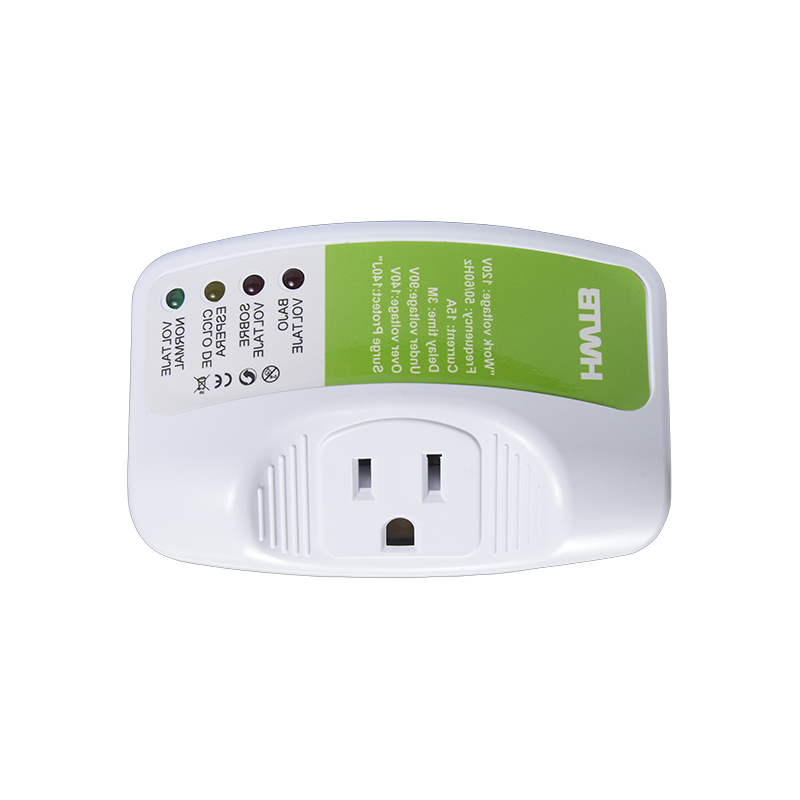
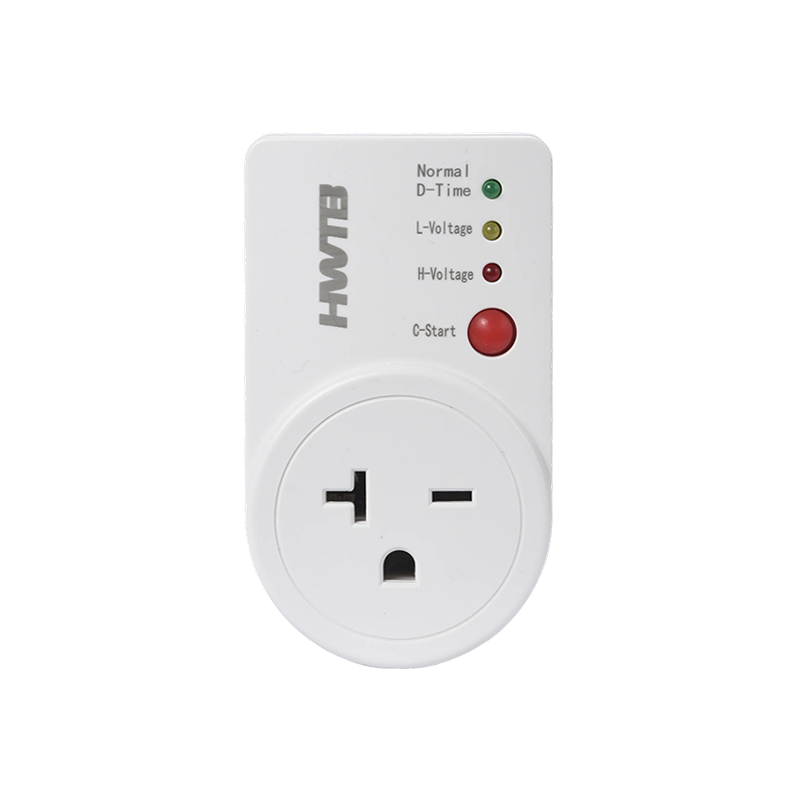
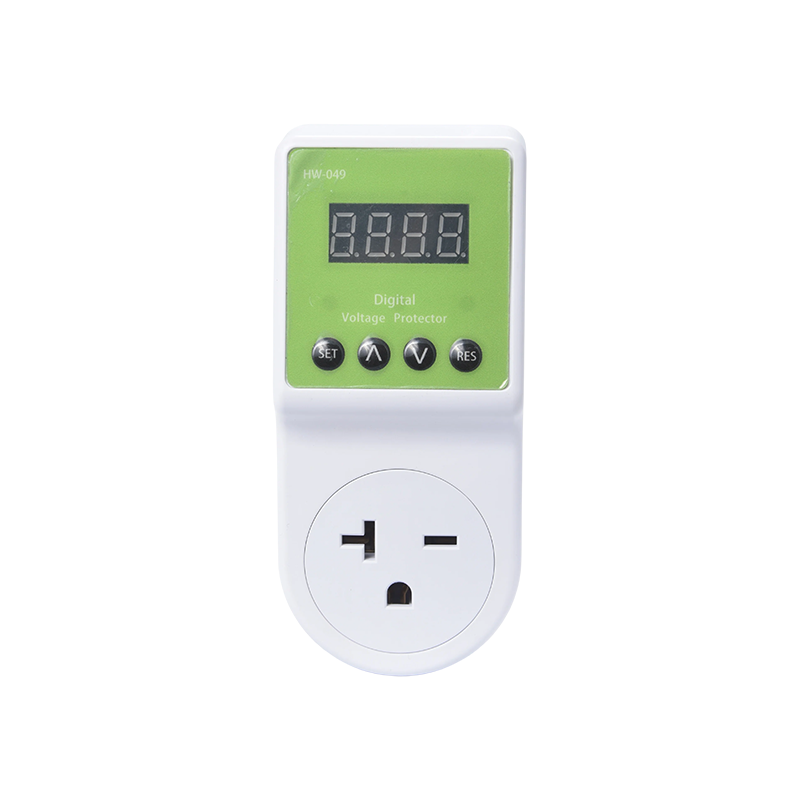
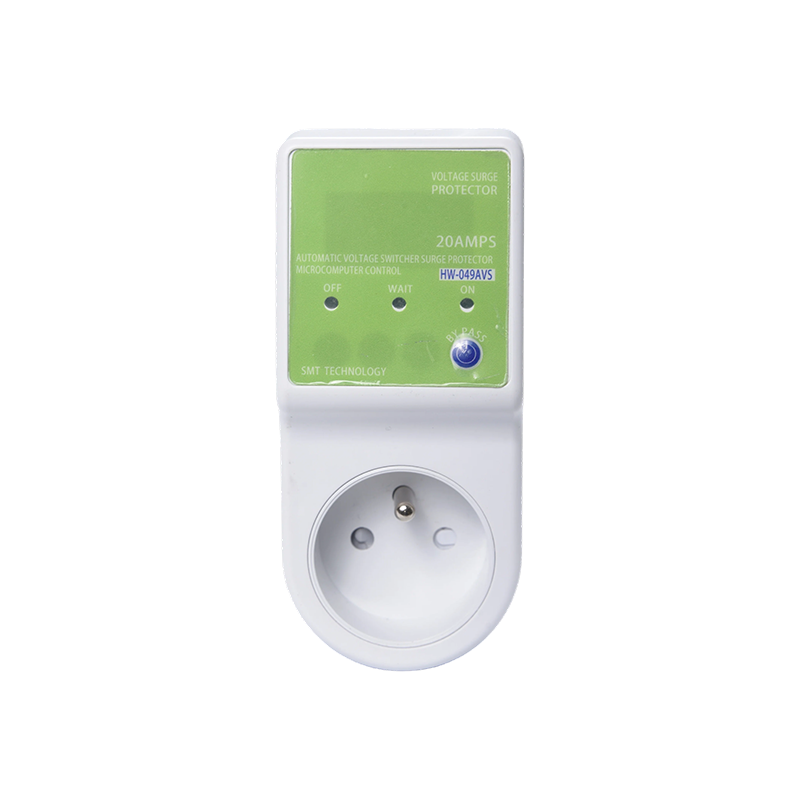
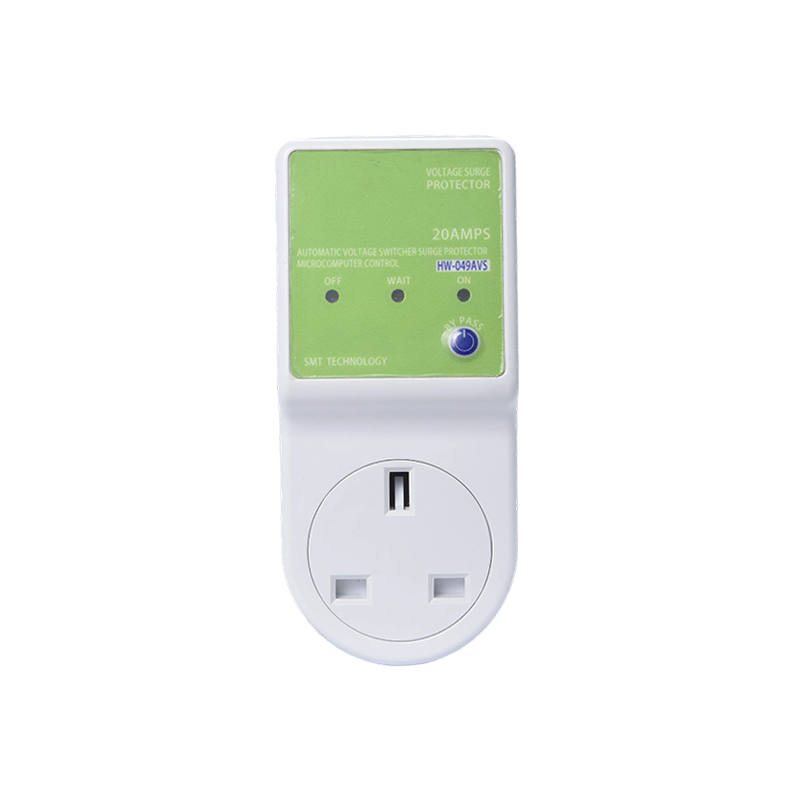
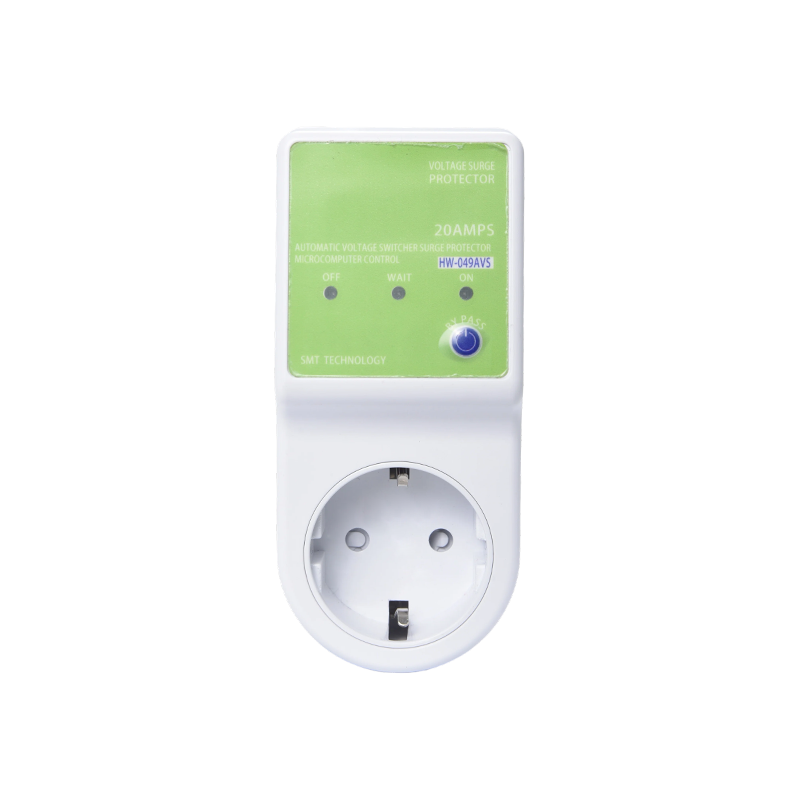
What Is a Voltage Protector? A voltage protector is an electrical device that monitors incoming line voltage and automatically disconnects power to c...
READ MORE
Industry News
Home / News / Industry News / How to Install a Voltage Protector to Your House: A Step-by-Step Guide
How to Install a Voltage Protector to Your House: A Step-by-Step Guide
Update:18-08-2026
After a grid fault pushes the voltage in your home above 280 V or below 165 V for even a few seconds, the compressor in your refrigerator or air conditioner can be the first casualty. A voltage protector mounted between the wall outlet and the appliance prevents that by disconnecting the load before the voltage reaches a damaging level. Installation is much simpler than most homeowners expect: plug-in models require no wiring, no breaker-panel work, and no electrician. What matters is matching the ratings, placing the unit correctly, and testing it before you rely on it. This guide walks through each step and explains when you should stop and call a professional.
Know What the Protector Is Supposed to Do
An over-under voltage protector monitors the incoming supply continuously. When the voltage moves outside a safe range, the internal relay opens and disconnects the connected appliance. When the supply returns to normal, the relay closes again after a preset delay. That delay is intentional: it prevents compressors and motors from restarting while the grid is still unstable. A surge protector, by contrast, clamps brief voltage spikes but does not break the circuit during a sustained undervoltage or overvoltage event. The two devices solve different problems, and both are useful. For more detail on the differences, this comprehensive guide to voltage protector types and working principles explains the theory behind the settings you will adjust.
For a single high-value appliance, the most practical solution is a plug-in voltage protector that matches the outlet standard and the load. These units combine the monitoring relay, the display, and the socket in one enclosure, so installation becomes a matter of positioning rather than wiring.
Check Three Numbers Before You Plug In Anything
The most common installation mistake is not wiring; it is choosing a protector that does not match the circuit. Fix this before you install.
| Check | What to look for | Why it matters |
|---|---|---|
| Supply voltage | 110-120 V on US outlets; 220-240 V on most EU, UK, and Asian outlets | A 230 V unit will not operate correctly on a 120 V circuit |
| Rated current | 10 A, 13 A, 15 A, or 30 A, depending on the appliance | An undersized protector can overheat before it trips |
| Power capacity | Wattage of the appliance against the protector's maximum rating | A 3300 W limit is typical for 230 V 15 A models; motor loads draw higher starting current |
For an air conditioner on a 230 V branch circuit, a 15 A adjustable model such as the HWTBV002CE 220 V automatic voltage protector for air conditioners protects the compressor without forcing you to buy a 30 A unit that the circuit cannot support. Check the nameplate on your appliance before making the final choice: the protector's rated voltage and current must be equal to or higher than the appliance's requirement, and the plug standard must match the outlet.
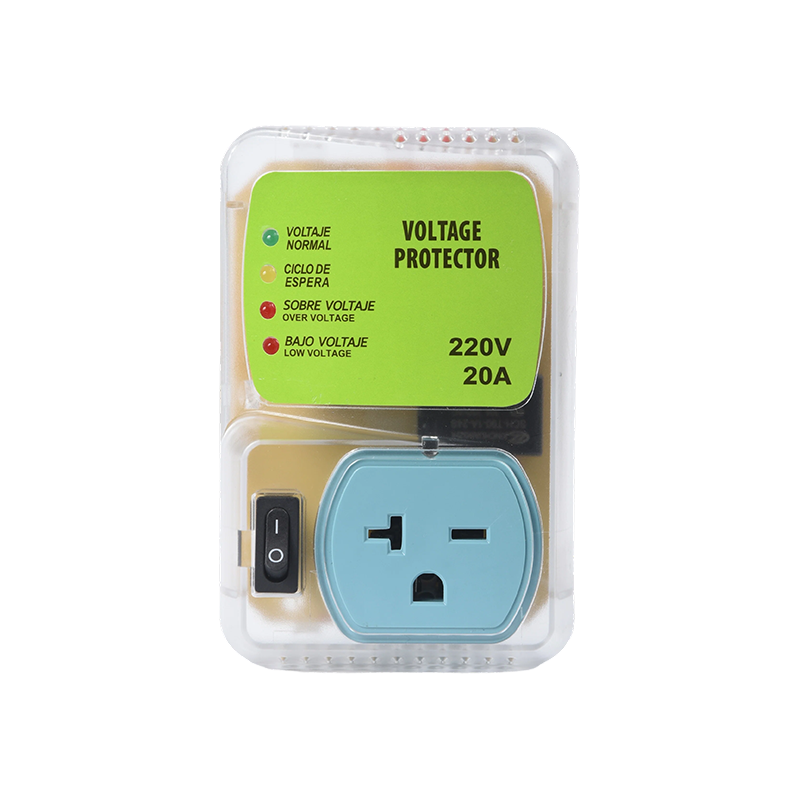 Wholesale HWTB-V002+CE 220V 15A Adjustable Automatic Voltage Protector for Air Ningbo Haowei Electric Technology Co., Ltd is China wholesale HWTB-V002+CE 220V 15A Adjustable Automatic Voltage Protector for Air Condi...View Product →
Tools and Preparation
For a plug-in unit you need no tools. You need the protector, a clean and accessible outlet, and an appliance whose plug fits the protector's socket. For a hardwired unit, you will need a screwdriver, wire strippers, a voltage tester, and access to the distribution board.
Before you begin, switch off the appliance and inspect the wall outlet. Discolouration, a loose faceplate, or a plug that half-falls out are signs that the outlet needs repair first. Installing protection on a damaged outlet just moves the problem. Also make sure the outlet is not already overloaded by other devices. A single 15 A outlet can deliver about 1800 W on a 120 V circuit or about 3450 W on a 230 V circuit; subtract what is already connected before you add the voltage protector.
Where to Install the Protector in the House
Position the protector close to the appliance you want to protect, but keep it away from heat and moisture. For an air conditioner, place it at the dedicated outlet or near the indoor unit's power cord so the display is easy to read. For a refrigerator, use the nearest accessible outlet rather than a hidden one behind the appliance, because you will want to check the display after a grid event. Do not enclose the protector in a cabinet; the relay generates a small amount of heat, and the display and reset controls need to stay reachable. Outdoor installation requires a unit with an appropriate IP rating; standard indoor voltage protectors are not weatherproof.
Step-by-Step Installation for a Plug-In Voltage Protector
Follow this sequence the first time, and it will take longer to read than to do.
- Turn off the appliance and unplug it from the wall.
- Push the voltage protector fully into the outlet. A partially inserted plug causes heat and arcing.
- For adjustable models, set the trip thresholds. Many 230 V units have a range of roughly 165-280 V and a reconnect delay of a few seconds to several minutes. The factory setting is usually sufficient for stable grids; if your area is known for low voltage, raise the lower limit to avoid nuisance trips. For 120 V models, the corresponding range is typically around 85-150 V.
- Plug the appliance into the protector's socket.
- Switch on the power or press the protector's button, then watch the display. The screen should show the incoming voltage in real time before the relay closes.
- Wait for the relay to click and the appliance to start. If the display shows a fault code, re-check the voltage setting and confirm that the supply voltage is within the protector's input range.
On a 120 V circuit, the same sequence applies. A common choice for window air conditioners and refrigerators is the HWTBV001US 120 V adjustable voltage protector; the procedure is identical, only the rated voltage differs. If the display does not light up at all, stop and check the power at the outlet with a test lamp or multimeter; a dead outlet will not be fixed by the protector.
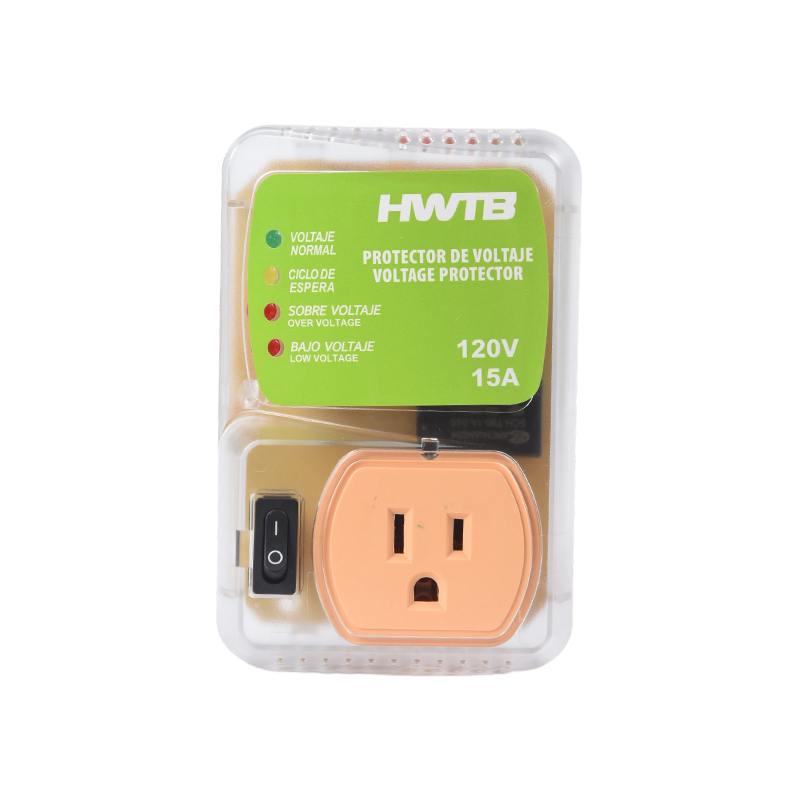 Wholesale HWTB-V001-US 110V 15A Adjustable Voltage Protector For Air ConditioneNingbo Haowei Electric Technology Co., Ltd is China wholesale HWTB-V001-US 110V 15A Adjustable Voltage Protector For Air Conditioners su...View Product →
Hardwired Protectors: When to Stop and Call an Electrician
Not all voltage protectors plug into an outlet. High-current models, typically 30 A units for air conditioners, are often designed for permanent wiring into a dedicated circuit. Hardwired installation requires opening the distribution board, selecting the correct breaker and slot, and connecting line, neutral, and ground to the terminal block. In most jurisdictions, this work must be done by a licensed electrician.
Do not cut the plug off a cord-connected voltage protector to hardwire it. That modification voids the certification and can create a fire hazard. A qualified electrician will shut off the main breaker, verify that the circuit is dead, mount the protector near the panel or in the designated enclosure, connect the incoming supply to the input terminals and the outgoing cable to the load, tighten every terminal to the specified torque, and then restore power and check the relay cycle.
Common Installation Mistakes to Avoid
Most problems appear only during a grid event, so it pays to get the basics right from the start.
- Installing a 120 V model on a 230 V circuit, or the reverse. The display may light up, but the internal protection thresholds will be wrong.
- Overloading the protector. A 15 A model cannot feed a 30 A appliance, even if the plug fits.
- Placing the protector behind furniture, near heat sources, or where it can be splashed. Ventilation matters because the relay and electronics generate heat.
- Setting the trip voltage too close to the normal grid voltage. If the grid fluctuates slightly, the protector will click on and off repeatedly.
- Skipping the functional test after installation. A protector that never disconnects the load is just an extension cord with a display.
If you need to protect several devices at one workstation or media center, use a dedicated multiple-outlet unit such as the HWTBV005 120 V multiple-outlet automatic voltage surge protection instead of stacking adapters, which creates exactly the overloading problem described above.
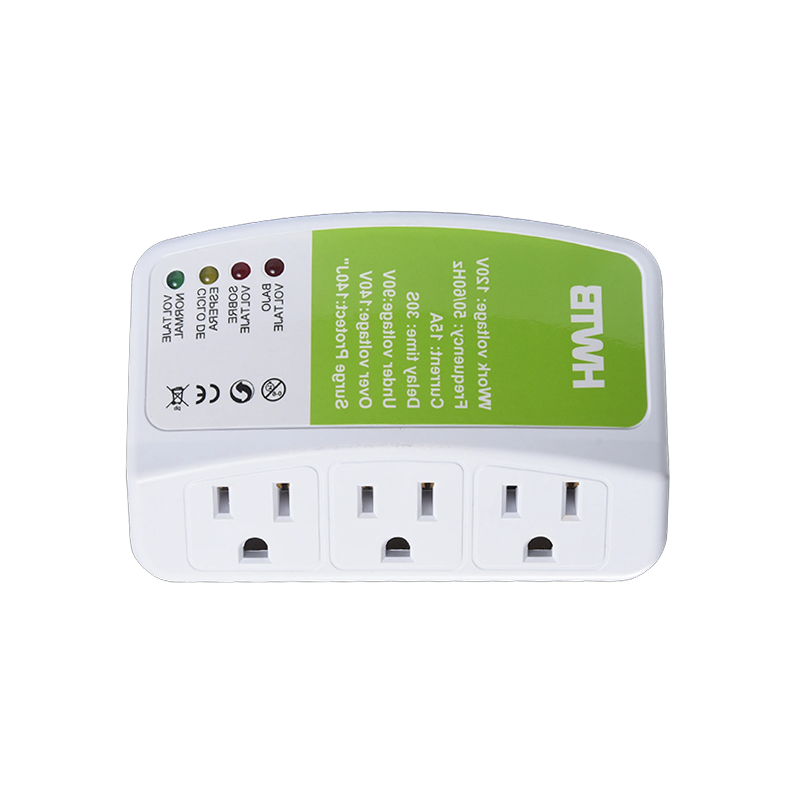 Wholesale HWTB-V005110V-US 15A Multiple Outlet Automatic Voltage Surge ProtectNingbo Haowei Electric Technology Co., Ltd is China wholesale HWTB-V005110V-US 15A Multiple Outlet Automatic Voltage Surge Protection s...View Product →
Final Checks and Maintenance
After installation, run a functional test. If your model has a test button, press it and confirm that the output drops out, the relay clicks, and the display shows the fault state. If there is no test button, unplugging the appliance is not a valid test; the protector must respond to a change in the supply voltage, not to a change in the load.
Repeat the test every few months, especially before the storm season in your region. Relay contacts and capacitors age slowly, and a check that takes one minute per quarter is far cheaper than replacing a compressor. Keep the manual and the packaging; the manual documents the cut-off range and reconnect delay, which you will need if you change the appliance or if the utility changes the nominal grid voltage in your area.
Recommended Products
News
-
-
Appliance Protection The Quiet Threat to Your Microwave: Why Voltage Protection Deserves a Second Look A practical guide to overvoltage and undervolt...
READ MORE -
Power protection, explained Voltage Regulator or Surge Protector for TV: Which One Does Your Screen Need? Spikes, sags and slow brownouts damage a te...
READ MORE -
With the improvement of residents' awareness of electrical safety and the rapid development of the smart home market, over/under voltage protector sm...
READ MORE -
The low and high voltage protector has one primary job: it monitors the incoming supply and disconnects the load whenever the voltage stays above or ...
READ MORE -
With the continuous increase of electrical safety supervision, the certification system of the over/under voltage protector smart socket industry is ...
READ MORE

Ningbo Haowei Electric Technology Co., Ltd.
-
Address
No. 261 Lvyuan 2nd Road, Chongshou Town, Qianwan New Area, Ningbo City, Zhejiang Province, China
-
Mobile
+86-13566611998
-
Email
Copyright © Ningbo Haowei Electric Technology Co., Ltd. Rights Reserved.
 Custom Smart Timer Plug Manufacturers