
 English
 中文简体
 Español
 Português

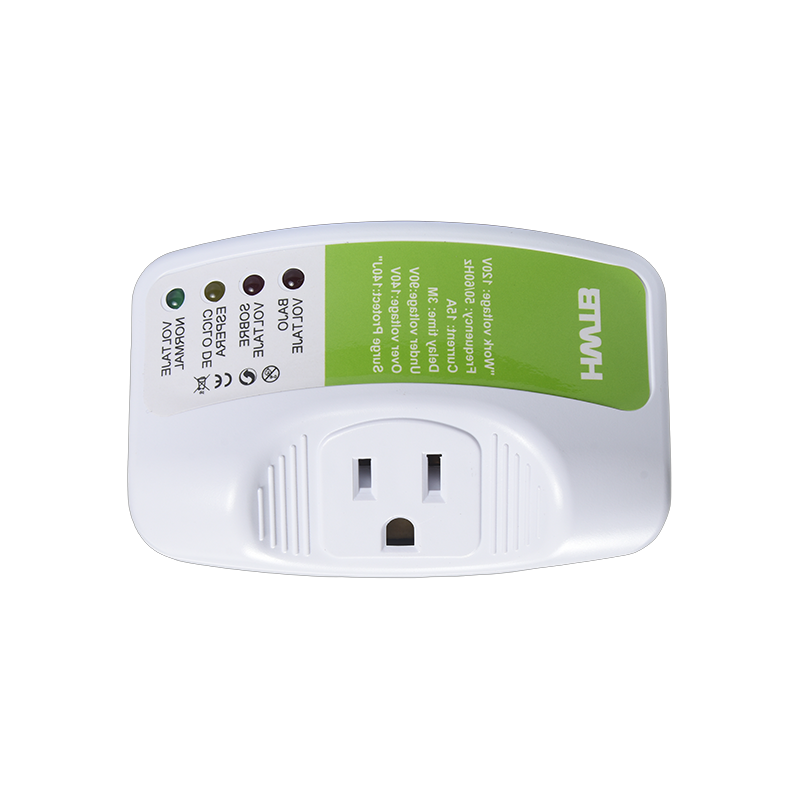
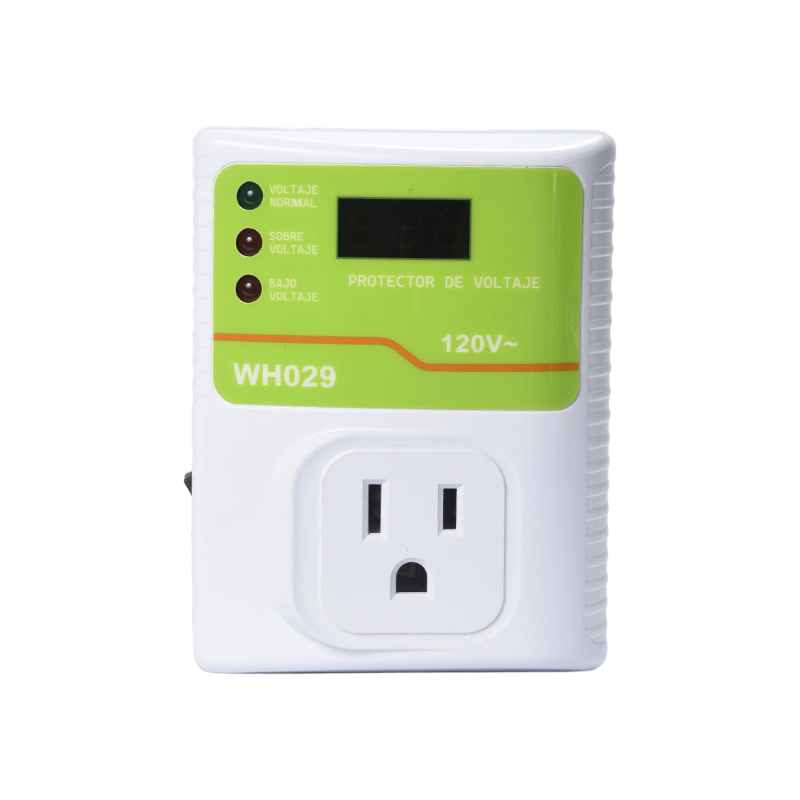
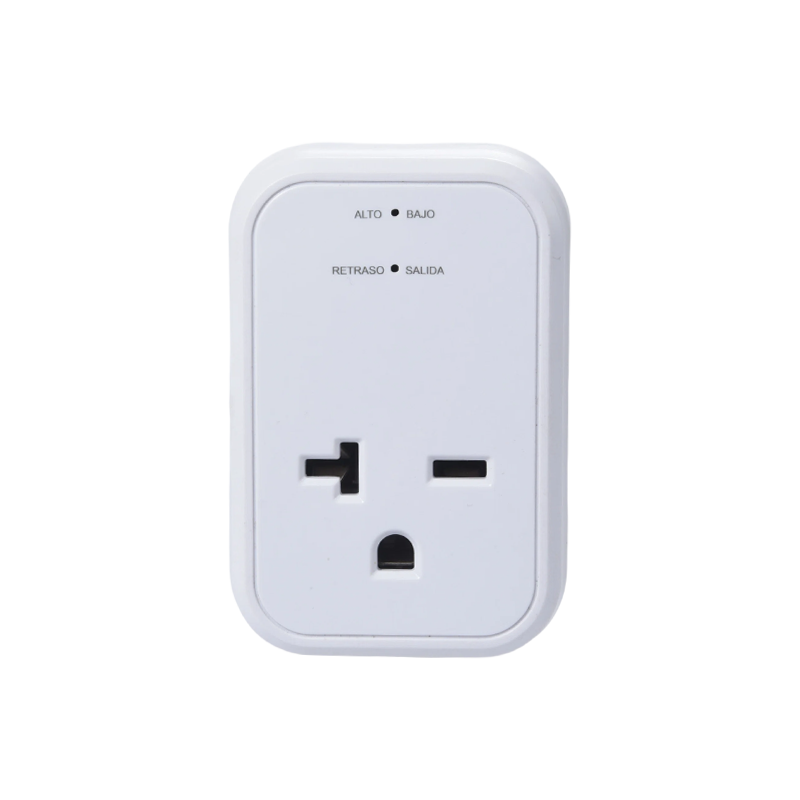
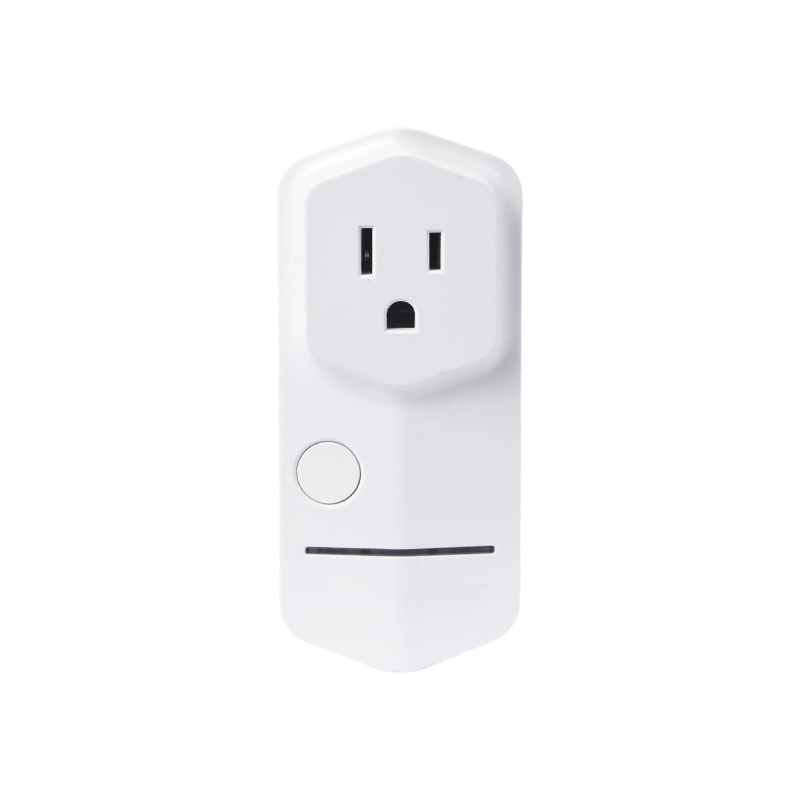
Voltage Spike Protector Outlet: What It Is, Key Specs, and How to Choose Behind many appliance failures is not a dramatic lightning strike but a bri...
READ MORE
Industry News
Home / News / Industry News / Dual Voltage Surge Protector Buying Guide: 110V and 230V Specs Compared
Dual Voltage Surge Protector Buying Guide: 110V and 230V Specs Compared
Update:15-10-2026
Voltage Protection Field Notes
Dual Voltage Surge Protectors: What Actually Protects 110V and 230V Equipment
Two numbers on one housing, two very different grids behind them. The specification that decides whether a unit survives both is rarely the one printed on the label.
A distributor in Miami tests a sample marked dual voltage on a 120V outlet. It passes. The same model is shipped to a partner in Rotterdam, wired to a 230V line, and it passes again. Weeks later, a workshop on a 208V split-phase supply reports that the unit cuts power to an air conditioner every few minutes. Nothing was mislabeled. The specification sheet simply never stated which voltage windows the product was built to monitor.
The conclusion comes first: dual voltage surge protection is defined by a pair of trip thresholds, a clamping level and a reconnect delay, not by an input range. Buyers who specify only "110V and 230V compatible" inherit every support problem that follows. Buyers who specify windows, tolerances and continuous current ratings receive a product that behaves predictably in both markets.
Three Different Products Are Sold Under One Name
"Dual voltage" is used loosely in this category. Before comparing quotations, it helps to identify which of three designs a supplier is actually offering.
- Universal-input electronics. A switching supply that accepts 100–240V and feeds a display or control circuit. The control side works anywhere, but the protection stage may still be built for a single grid.
- True dual-window protection. The device senses the incoming nominal voltage, selects the matching window and disconnects the load when RMS voltage drifts outside it, typically 90–140V for North American supplies and 180–260V for European and most Asian supplies.
- A dual-standard product family. Two SKUs on a shared platform, one for 120V markets with North American plugs, one for 230V markets with European plug types. This is the usual approach for importers, and the easiest to certify and stock.
The distinction matters most for surge performance. A metal oxide varistor selected for a 120V line, commonly rated around 130–150V, will fail quickly if a 230V transient reaches it. Dual voltage surge protection therefore requires either a varistor rated for the higher line, or separate voltage paths with their own protection components.
Watch for this in quotations: a supplier claiming dual voltage protection without stating trip thresholds, varistor ratings and reconnect delay is offering an input range, not a protection scheme.
The Numbers That Decide Whether a Dual Voltage Unit Works
When two quotations differ by a wide margin, the gap usually sits in one of the rows below. Ask for each value in writing, with its tolerance, on the exact model being purchased.
| Parameter | What to confirm | Typical range | Risk when it is ignored |
|---|---|---|---|
| Protection windows | Whether one unit monitors both nominal levels automatically | 90–140V and 180–260V | Unit protects only the grid it was tested on |
| Over-voltage trip | Trip point and tolerance | 140V ±5V / 260V ±5V | Nuisance trips, or late disconnection |
| Under-voltage trip | Trip point and recovery hysteresis | 90V / 175V | Compressor stall and motor overheating |
| Reconnect delay | Fixed or adjustable, and the range | 3 s to 5 min | Short delays damage refrigerant compressors |
| Clamping level | Varistor rating matched to the line | 130–150V (120V), 275V (230V) | Component failure, overheating, fire risk |
| Current rating | Continuous rating, not peak | 15A and 30A | Breaker trips under normal load |
| Certification | Standard and market coverage | CE, ISO 9001 quality system | Customs holds and retailer rejection |
A dual voltage protector is not two products sharing one housing. It is two protection decisions sharing one controller, and both decisions have to be written down.
Current Rating Is Where Most Dual Voltage Projects Fail
Voltage windows get the attention, but the current rating decides whether the product stays in the wall. At 230V, a 15A device carries roughly 3300W; at 120V, the same 15A carries about 1800W, so reaching 3300W on a North American supply requires a 30A design. That asymmetry is why one hardware platform rarely serves both markets without changes to internal conductors and terminations.
Air conditioners deserve a separate look. A compressor draws three to five times its running current for a fraction of a second at start-up, which makes it the load most likely to sit behind a voltage protector in both regions. A 15A unit may hold on a mild day and nuisance-trip in a heat wave. For dedicated protection on a 230V supply, a 30A model such as the HWTBV018CE automatic voltage surge protector is the more honest match.
On the North American side, the equivalent role is filled by a 120V 30A device, which rides through the restart delay while still tripping on sustained over-voltage.
Where Dual Voltage Protection Earns Its Cost
The application list is shorter than the marketing suggests. Four situations genuinely justify a dual voltage or dual-standard approach:
- Markets where a single retail channel serves both 120V and 230V households.
- Off-grid and inverter installations, where output voltage depends on battery state and inverter settings.
- Split-phase North American supplies, where 208V and 240V lines feed equipment rated for 230V.
- Multi-appliance positions, where one wall point serves a television, router and refrigerator.
For the multi-appliance case, outlet count matters as much as the voltage window. A 120V 15A multiple outlet automatic voltage surge protector covers several low-power devices from one point, provided the combined load stays inside the continuous rating.
Specifying an OEM Line Without Creating Support Problems
Most dual voltage programs are OEM or ODM projects, and the specification stage sets the after-sales workload. Three items belong in the purchase agreement, not in a datasheet footnote.
First, fix the label: nominal voltage, current rating, trip windows and certification marks must match the destination country. Second, fix the plug and socket pattern, because a 230V device with a European plug will not survive a North American retail channel even if its electronics are universal. Third, fix the accessories, since a replaceable fuse or resettable breaker changes the return rate far more than a small gain in clamping voltage.
It also helps to understand the protection stage before negotiating cost. The working principles behind voltage protectors explain why a varistor, a relay and a control circuit have to be specified together rather than priced separately.
Common Sourcing Mistakes on Dual Voltage Programs
- Treating the input range as the protection window, so a unit that displays 230V correctly is assumed to disconnect at 260V.
- Using one varistor rating across both SKUs to save cost, which shortens service life on the higher-voltage line.
- Setting reconnect delay to a few seconds because faster recovery looks better in a demonstration.
- Certifying one model, then shipping variants with different housings, plugs or fuse ratings under the same certificate number.
- Leaving under-voltage trip points undefined, the failure mode reported most often by end users on weak rural grids.
Ask for trip-point tolerance in volts, not in percent. "Approximately 260V" and "260V ±5V" behave differently when a utility runs a high line during light-load hours.
Working With a Manufacturer That Builds Both Standards
Ningbo Haowei Electric Technology designs and manufactures over- and under-voltage protection sockets for export markets, with separate European and North American lines covering 110V, 120V and 230V nominal supplies and current ratings from 5A to 30A. The European range includes adjustable and fixed automatic surge models, several configured for air conditioner loads, while the North American range covers 15A and 30A protection as well as multiple-outlet designs.
Because both standards are produced in-house, OEM and ODM orders can differ in plug type, housing, marking and trip window without changing the underlying protection architecture. Facilities are described as CE and ISO 9001 certified, with in-house design and full-process inspection before shipment. Buyers comparing configurations across both standards can review the voltage protector product range before requesting samples.
Dual voltage surge protection is a specification problem before it is a hardware problem. A clear purchase order names the two protection windows, the trip tolerances, the reconnect delay, the varistor ratings for each line, the continuous current rating and the certification each SKU carries into its market. With those six items on paper, supplier comparison becomes measurable rather than rhetorical.
A simple test for any quotation: if you can read all six specification items out of the document without asking a follow-up question, the supplier understands dual voltage protection. If you cannot, the product may still work, but you will be the one explaining it to your customers.
Where a single platform can serve both standards, the savings are real, in tooling, quality control and inventory planning. Where it cannot, two well-specified SKUs will always outperform one vague one.
Recommended Products
News
-
-
Appliance Protection The Quiet Threat to Your Microwave: Why Voltage Protection Deserves a Second Look A practical guide to overvoltage and undervolt...
READ MORE -
Power protection, explained Voltage Regulator or Surge Protector for TV: Which One Does Your Screen Need? Spikes, sags and slow brownouts damage a te...
READ MORE -
Look at the label on almost any surge protector and you will see voltage figures that seem to contradict each other: a device made for a 120 V circui...
READ MORE -
What Is a Voltage Protector? A voltage protector is an electrical device that monitors incoming line voltage and automatically disconnects power to c...
READ MORE -
Surge Arrester and Over/Under Voltage Protection Surge Arresters and Over/Under Voltage Protectors Are Not the Same Device One deflects lightning-sc...
READ MORE

Ningbo Haowei Electric Technology Co., Ltd.
-
Address
No. 261 Lvyuan 2nd Road, Chongshou Town, Qianwan New Area, Ningbo City, Zhejiang Province, China
-
Mobile
+86-13566611998
-
Email
Copyright © Ningbo Haowei Electric Technology Co., Ltd. Rights Reserved.
 Custom Smart Timer Plug Manufacturers