
 English
 中文简体
 Español
 Português

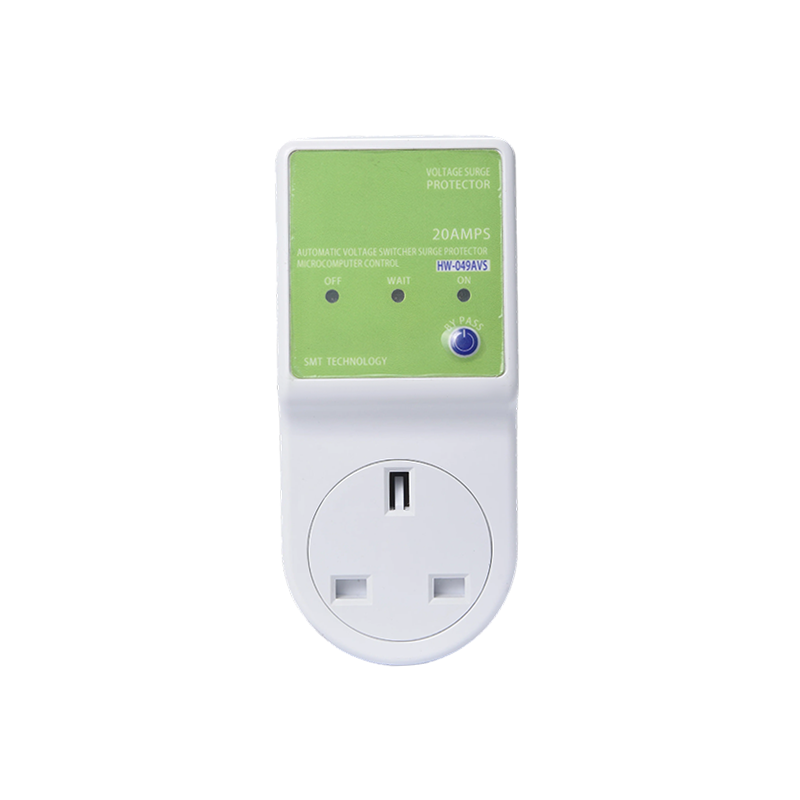
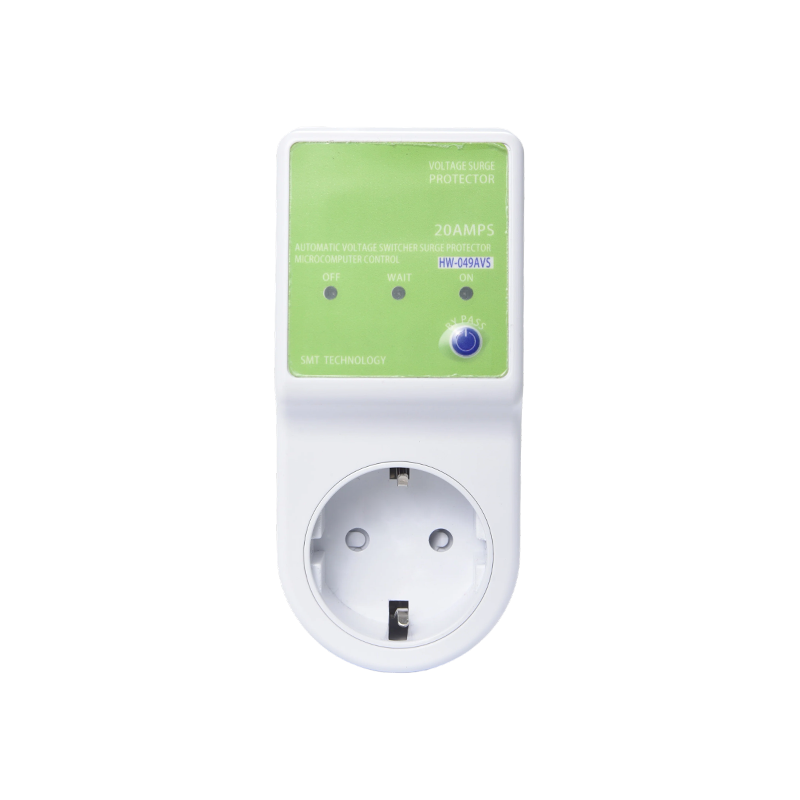
After a grid fault pushes the voltage in your home above 280 V or below 165 V for even a few seconds, the compressor in your refrigerator or air cond...
READ MORE
Industry News
Home / News / Industry News / House Voltage Protector Cost: Price Drivers, Tiers, and Budgeting Guide
House Voltage Protector Cost: Price Drivers, Tiers, and Budgeting Guide
Update:15-10-2026
Purchasing Guide
House Voltage Protector Costs, Decoded
Two quotations, both 230V, both 15A, both for 1,000 pieces, one at $6.40 and one at $11.20. The gap is almost never margin.
Both units will cut the power when the grid sags to 170V. Only one of them will still be doing it after three summers, and the buyer who chose the cheaper one will have paid the difference somewhere other than the unit price.
What follows is a working breakdown of what a house voltage protector costs at factory level, which specifications move that figure by dollars rather than cents, and which costs sit outside the per-unit quote: tooling, test evidence, packaging and freight.
What a House Voltage Protector Costs: The Working Range
Single-phase household voltage protectors generally leave the factory between $3 and $18 per unit at 1,000-piece volumes, before packaging upgrades, duty and freight. That spread is not noise. It maps onto four tiers with genuinely different bills of materials.
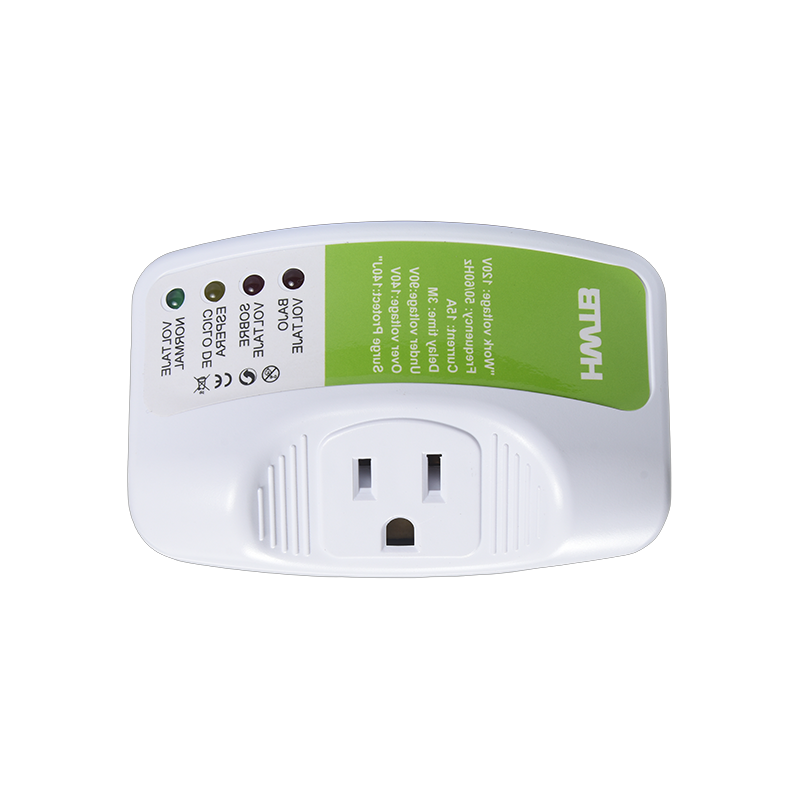
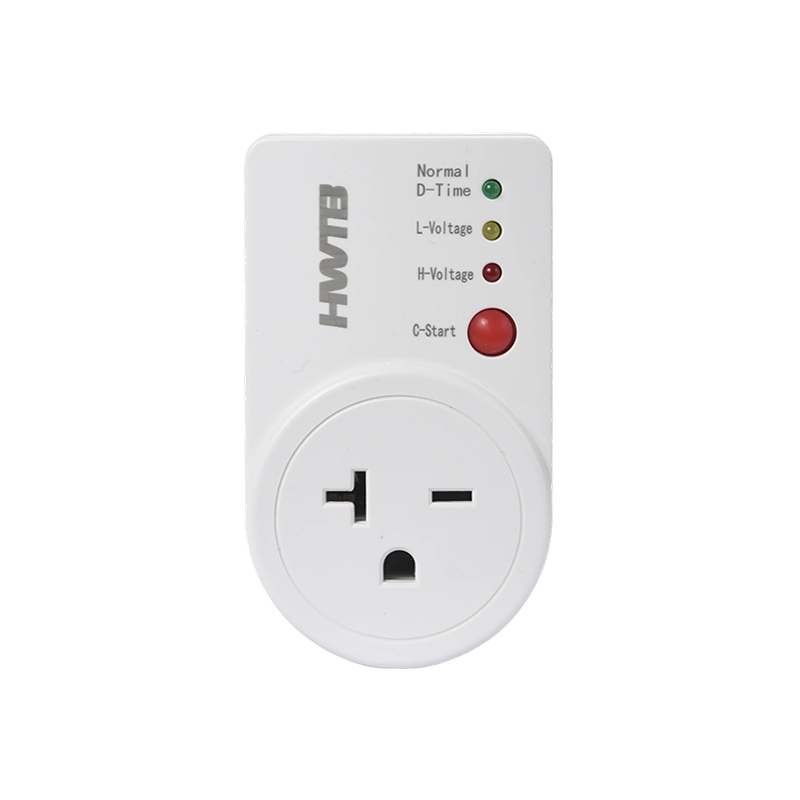
- Fixed-threshold, single-outlet protector, 10-15A, no display: roughly $3-6
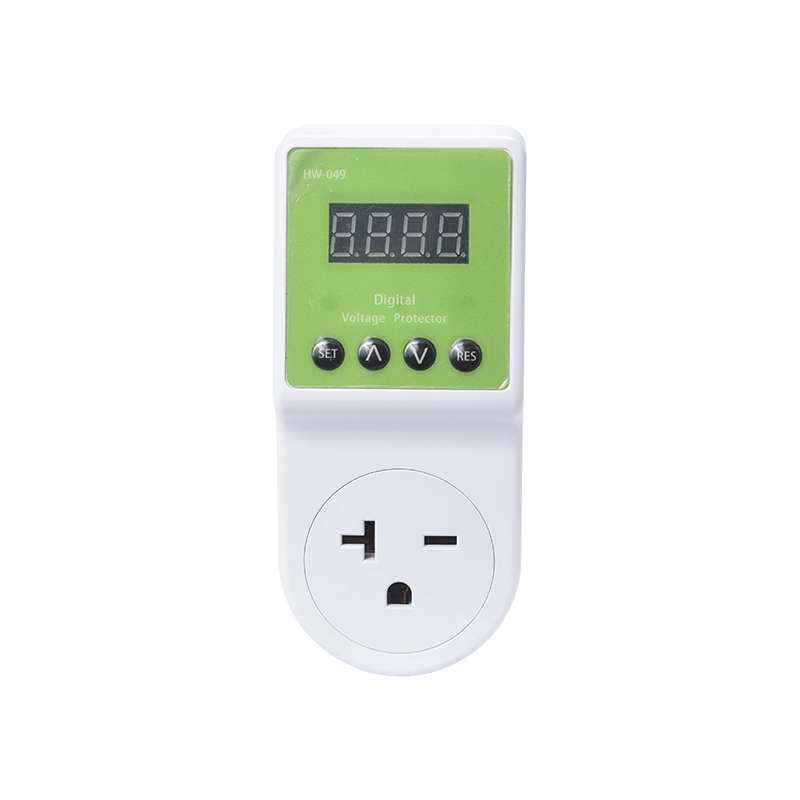
- Adjustable 15A model with LED or LCD readout for 230V markets: roughly $6-12
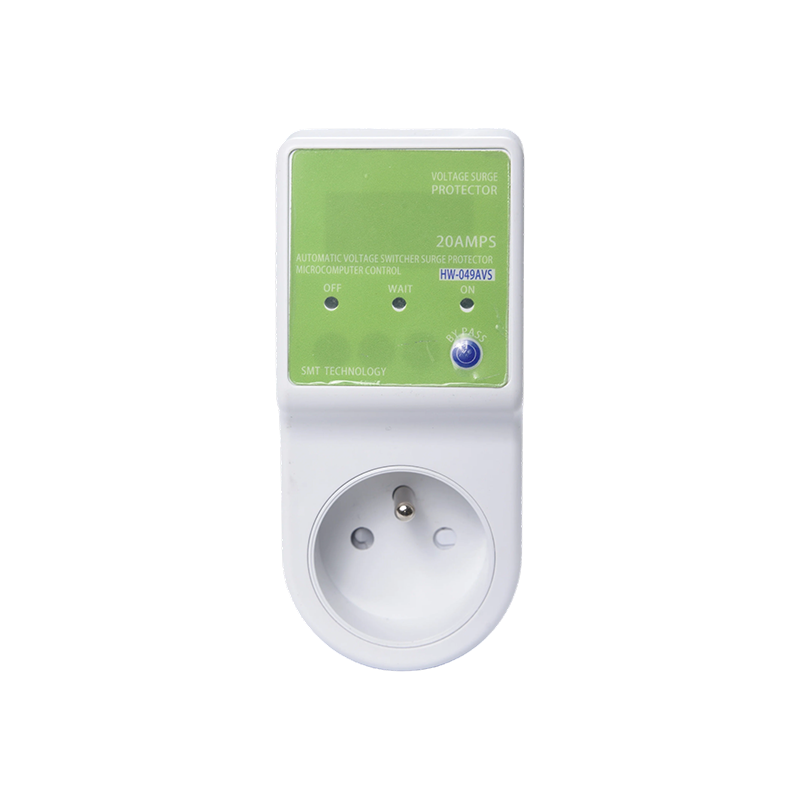
- 30A adjustable model for air conditioners and other heavy single loads: roughly $10-18
- Multi-outlet surge strip, 120V 15A, several sockets: roughly $12-25
Retail multiples run higher than most first-time importers assume. A unit that lands at $8-9 typically retails between $22 and $38 in European and North American channels, and the return rate, not the factory price, usually decides whether the line survives its second season.
Compare quotations on landed cost, not unit price. A quote that is 30% cheaper per piece can cost more in total once tooling, test reports, packaging and defect returns are counted.
The Six Specifications That Move the Price
Nearly every price gap between two apparently identical protectors comes from one of six decisions. None of them is exotic, and all of them are easy to leave unspecified.
1. Current rating and switching hardware
A 15A unit and a 30A unit differ in more than a label. The relay or contactor, terminal blocks, copper cross-section and PCB traces all scale with current, and the relay is usually the most expensive single component on the board. A 30A relay rated for inductive loads costs several times a 15A resistive-load relay.
2. Adjustability and control electronics
A fixed-threshold design needs a comparator and a reference voltage. An adjustable one adds a trim pot or a microcontroller, a calibration step on the line, and often a display. That step typically adds $1.50-3.00 per unit plus labour.
3. Protection type: over/under-voltage or surge
Over/under-voltage protection is a switching function. Surge protection is an energy-absorption function, priced on MOV rating, thermal fusing and socket count. A multi-outlet strip carries both, which is why it costs more than a single-outlet switcher at the same current rating.
4. Enclosure, terminals and plug format
Tooling is amortised, not free. A new housing or a market-specific plug format means a mould cost spread across the order, and low-volume markets carry a disproportionate share of it.
5. Certification and test evidence
Compliance is a real line item: EMC and safety testing, technical documentation, and the sample units destroyed in the process.
6. Volume, packaging and freight
Packaging and freight rarely exceed 8-12% of landed cost on a plug-in device, but they are the easiest costs to underestimate because they are quoted separately and settled later.
| Configuration | Typical application | What it adds to the bill of materials | Indicative unit cost |
|---|---|---|---|
| Fixed threshold, single outlet, 10-15A | Fridge, router, one appliance | Comparator, reference, single outlet, basic MOV | $3-6 |
| Adjustable 15A with readout, 230V | Whole-room protection, workshop bench | Trim pot or MCU, calibration, display, better relay | $6-12 |
| 30A adjustable, air-conditioner duty | Split air conditioner, heat pump, heavy load | Higher-rated relay, thicker copper, thermal design | $10-18 |
| Multi-outlet surge strip, 120V 15A | TV, PC and router bank | Multiple sockets, higher energy MOV, thermal cut-out | $12-25 |
Voltage Standard and Plug Format Are Cost Decisions
A 230V European protector and a 120V North American protector are not the same board with a different plug moulded onto it. Relay coil voltage, sensing thresholds, creepage and clearance distances, varistor selection and the test voltages used during certification all change with the grid. Getting that wrong shows up as nuisance tripping in one market and missed protection in another.
Most catalogues handle this by keeping the two families separate, which is why a manufacturer may list roughly 30 EU models and more than 20 US models. Each family carries its own tooling, its own test documentation and its own inventory risk.
For a 230V household, a 15A adjustable model rated to 3300W covers the loads that actually matter: a split air conditioner, a water heater, a kettle, or a full workshop bench.
Above that ceiling, current rating rather than wattage becomes the limiting factor, and the specification moves into the 30A band.
When an Air Conditioner Is the Load, the Price Changes Shape
Air conditioners are the reason 30A protectors exist in a category where most households never draw more than 13A continuously. Compressor start-up pulls an inrush current several times the running current, and the protector has to ride through it without welding its contacts or tripping on a voltage dip that is not really a fault. That demands derating, a heavier relay, and thermal design that keeps the sensing circuit accurate in a 40 degrees Celsius ambient.
A 30A air-conditioner protector typically costs 40-70% more than a 15A general-purpose unit in the same family. The premium buys warranty economics more than component count: one failed unit in a hot, high-load market costs more than the difference across a hundred units.
US-range 110V and 120V units at 30A follow the same logic as their 230V counterparts. The current rating, not the market, sets the hardware.
Certification and Testing: The Cost That Scales With Variants
Compliance is where a lean catalogue and a sprawling one diverge fastest. A single test file for one configuration is affordable. Twenty variants with different relays, threshold ranges and enclosures turn certification into a budget line that can outgrow the tooling.
Buyers should ask two questions before accepting a price: which test evidence already exists for the exact configuration being quoted, and whether the report reference covers that configuration rather than a sibling model. Tightening certification regimes in Europe and North America have made that distinction commercial rather than academic, because an uncovered variant can be stopped at the border or pulled from a marketplace listing.
Where a supplier already runs CE and ISO 9001 based processes and can name the standards applied, the buyer is not paying for the same paperwork twice.
Costs That Never Appear on the Unit Price
Six items sit outside the per-unit figure, and each can move the total by more than a currency fluctuation:
- Tooling and moulds, which commonly range from a few hundred dollars for a simple bracket to several thousand for a multi-part housing
- Test fixtures and calibration jigs required for a custom threshold range
- Packaging artwork, dielines and the minimum print run for retail-ready cartons
- Test reports and technical files for every variant not covered by an existing report
- Warranty allowance, spare parts and the reverse-logistics cost of field failures
- Freight, duty and the working capital tied up in a slow-moving SKU
Ask for tooling, packaging and certification as separate lines in the quotation. Bundled into the unit price, they become invisible, and invisible costs are the ones that never get renegotiated.
Reading a Voltage Protector Quotation Line by Line
A quotation you can defend names the relay rating, the threshold range in volts, the trip delay, the surge energy rating where relevant, the enclosure material, the plug standard, the packaging format and the certification status. If two of those are missing, the prices are not comparable and the decision will be settled by luck.
Illustrative arithmetic for a 5,000-unit order:
- Unit price at $7.80 ex-works: $39,000
- Retail packaging and inserts at $0.35 per unit: $1,750
- One-time tooling for a custom housing: $3,500
- Freight and insurance to a European port: $2,900
- Total landed cost: $47,150, or $9.43 per unit
At $9.43 landed, a $14.90 retail price leaves a workable margin before marketplace fees, while a $24.90 price leaves room for a branded safety proposition. Nothing on the production line changes between the two.
A protector is priced on the fault it is designed to survive. Buy for the fault, not for the socket count.
What to Do With the Number
Set the current rating from the load, not from the price list. Fix the voltage standard and plug format before anyone discusses aesthetics. Buy test evidence once and confirm it covers the exact configuration. Then negotiate on total landed cost, and treat tooling as an investment amortised across the first orders rather than a discount to be argued down.
A protector that costs $4 more per unit and returns 1% fewer units is the cheaper product in almost every market. The arithmetic only looks wrong on the invoice.
Buyers who want to compare configurations properly can review the manufacturer's full catalogue of EU and US voltage protectors, smart sockets and timers before fixing a specification, and ask for the test file that covers the model being quoted.
Recommended Products
News
-
-
Voltage Protection Field Notes Dual Voltage Surge Protectors: What Actually Protects 110V and 230V Equipment Two numbers on one housing, two very dif...
READ MORE -
What Is a Voltage Protector? A voltage protector is an electrical device that monitors incoming line voltage and automatically disconnects power to c...
READ MORE -
Voltage Spike Protector Outlet: What It Is, Key Specs, and How to Choose Behind many appliance failures is not a dramatic lightning strike but a bri...
READ MORE -
Appliance Protection The Quiet Threat to Your Microwave: Why Voltage Protection Deserves a Second Look A practical guide to overvoltage and undervolt...
READ MORE -
With the improvement of residents' awareness of electrical safety and the rapid development of the smart home market, over/under voltage protector sm...
READ MORE

Ningbo Haowei Electric Technology Co., Ltd.
-
Address
No. 261 Lvyuan 2nd Road, Chongshou Town, Qianwan New Area, Ningbo City, Zhejiang Province, China
-
Mobile
+86-13566611998
-
Email
Copyright © Ningbo Haowei Electric Technology Co., Ltd. Rights Reserved.
 Custom Smart Timer Plug Manufacturers