

 English
 中文简体
 Español
 Português


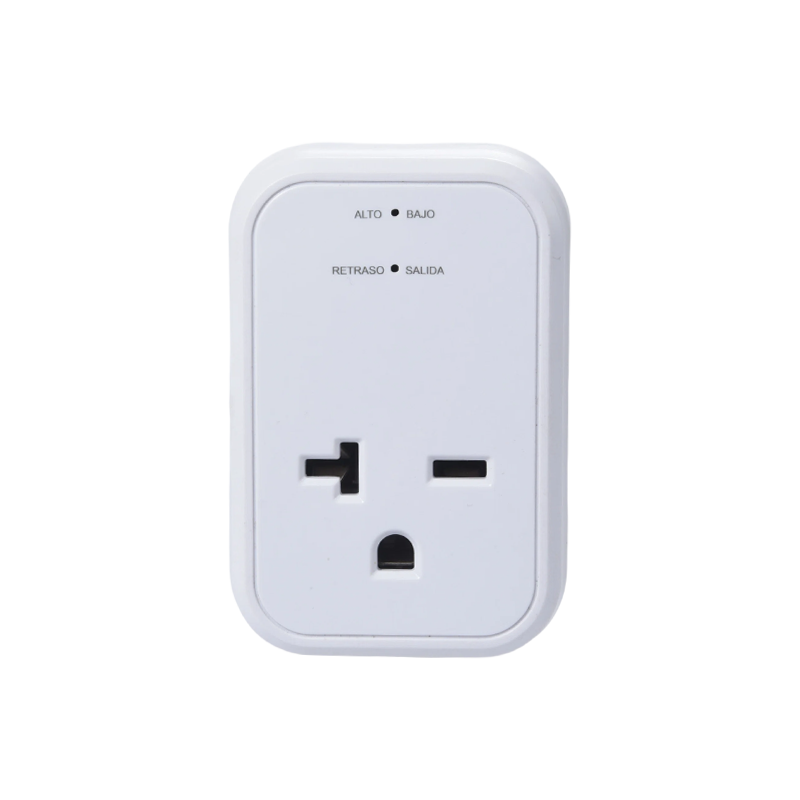
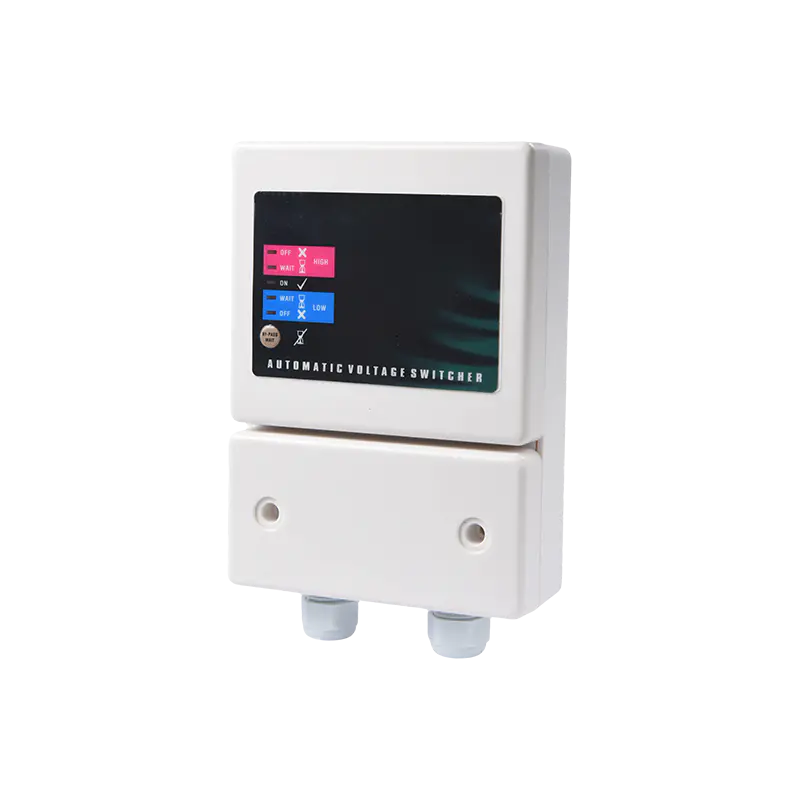

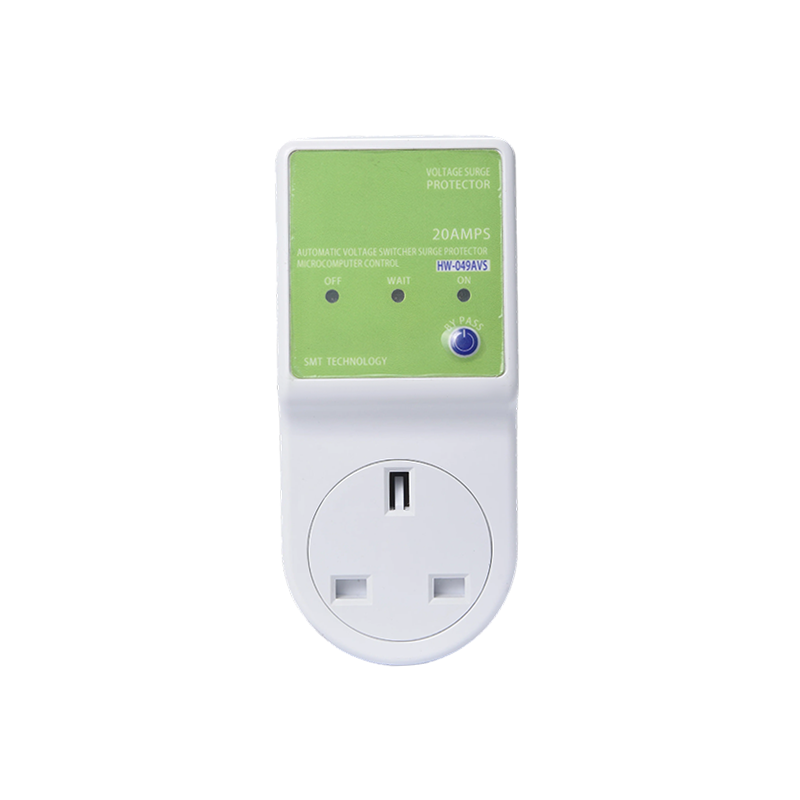
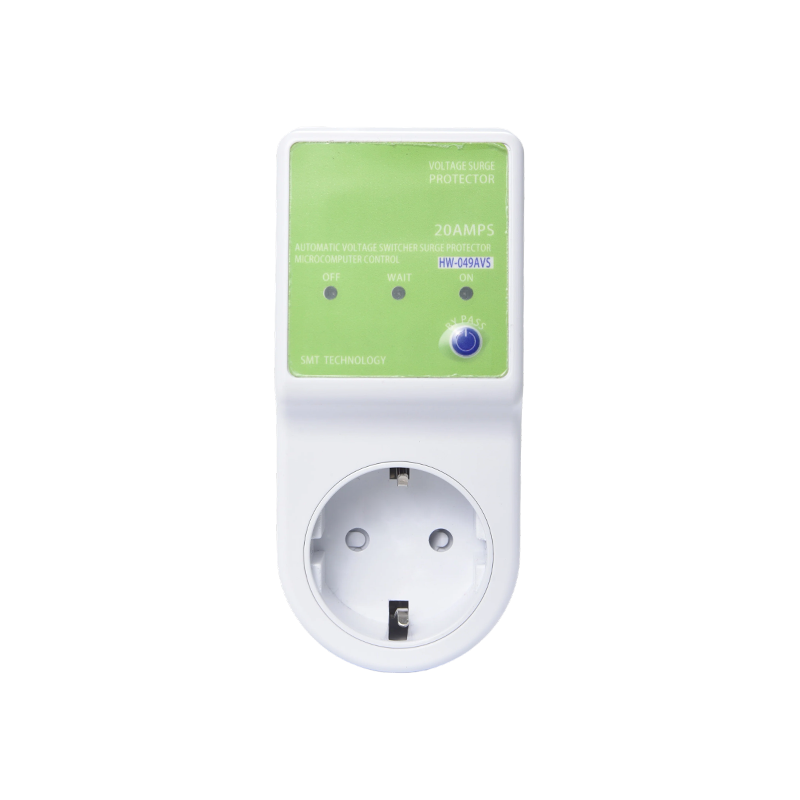

The company focuses on R&D, design, mass production and global sales of over & under voltage protection smart sockets, independently engineered by our veteran in-house R&D team. As a famous China HWTB-V018-CE 230V 30A Automatic Voltage Surge Protector Suppliers and HWTB-V018-CE 230V 30A Automatic Voltage Surge Protector Factory, we support customized OEM & ODM orders to satisfy diverse market demands.
Equipped with precision production techniques and full-process quality inspection systems, our products stand out in appearance design, functional stability and electrical safety, earning favorable reviews from worldwide importers.
We continuously upgrade our internal management system and follow standardized operational procedures. Our facility is certified to CE and ISO9001 standards. We adhere to strict quality specifications to supply premium electrical protection products and customized one-stop solutions for global clients.


Power Protection · Television & A/V Systems TV Voltage Protector: The Last Device Between the Grid and Your Screen ...
READ MORE